
WarFronts Weekly 2.3.2026.
Warfronts Weekly: February 3, 2026. Context and analysis on conflicts across the world. Two emails each week: Warfronts Weekly on Tuesdays, Friday Blitz on Fridays.
Evan Moloney • February 3, 2026
“An attack combined with demonstrations by angry people could lead to a collapse. That is the main concern among the top officials and that is what our enemies want.”
-Anonymous Iranian security source, speaking to Reuters .
Tehran’s Tense Weekend:
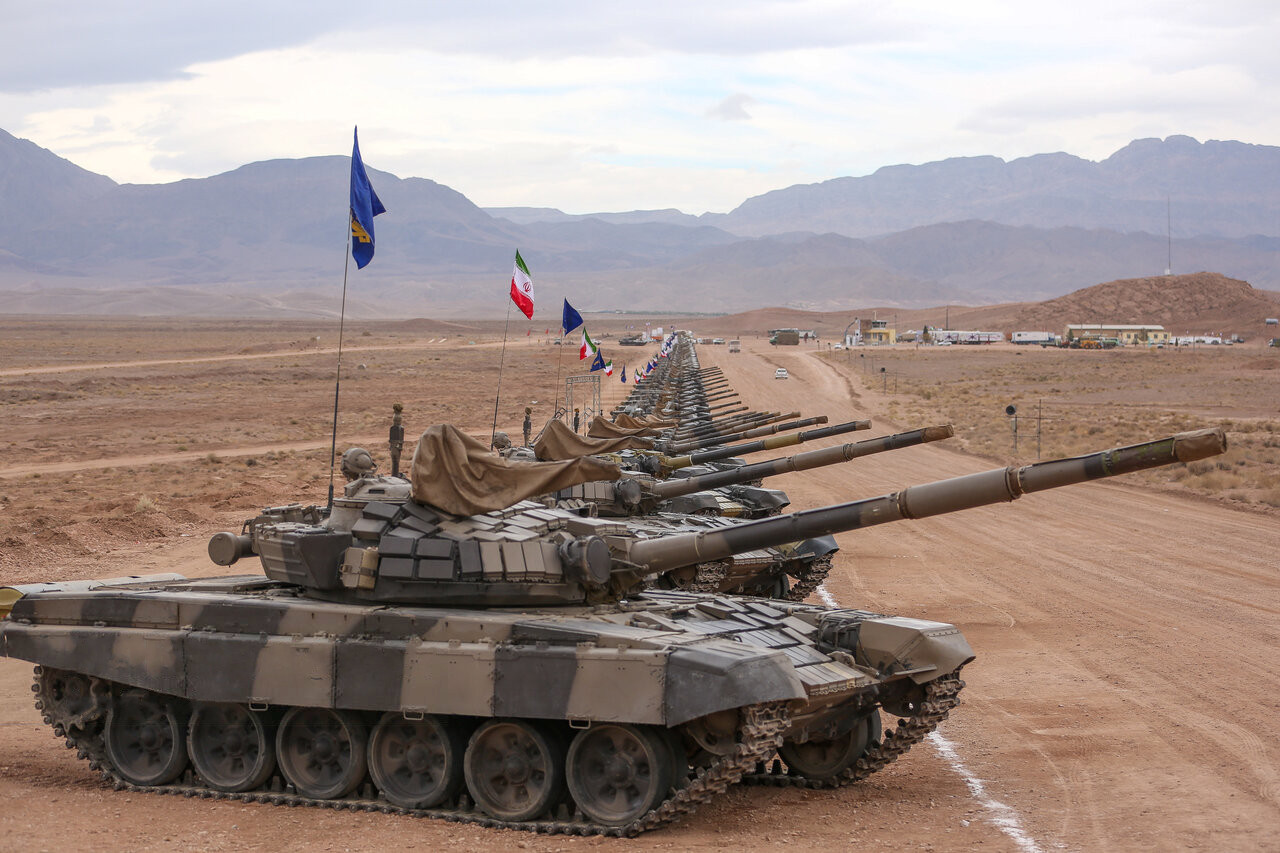
Headed into the weekend, the United States appeared poised for the start of an all -out air campaign against Iran, with the likely intent to decapitate the Islamic Republic’s leadership, and start down the path to total regime change. Ultimately, the weekend passed without full-scale hostilities , but the region still appears to be on the path to war in the near future.
Most notable over the weekend were a pair of explosions in Iran on Saturday, one in the port city of Bandar Abbas, and another in the city of Ahvaz. A total of seven people were killed across the two explosions, with both incidents described as gas leaks according to Iranian state media. Reports circulated that the Bandar Abbas explosion had killed an Iranian naval commander, although Iran’s Revolutionary Guard Corps denied the claim.
While the two explosions drew global headlines, and for good reason, it is nonetheless plausible that genuine gas leaks could be to blame. Iran’s gas-distribution infrastructure is nothing less than a danger to its own citizens, and explosions and other incidents are not uncommon. Back-to-back explosions during a single day, however, raise the specter of foreign action on the ground; Israel denied any involvement.
In other news, Western outlets have reported that US President Donald Trump may have declined to strike Iran, not because of a lack of willingness to strike at some point, but because the US currently lacks the right mix of deployed forces to carry out the sort of strike that Trump would favor.
Washington insiders report that Trump would prefer a quick, overwhelming air campaign that devastates Iran’s regime so thoroughly that it agrees to a range of concessions, although a campaign to topple the regime outright has also been discussed. As of now, while Washington does seem to have the required assets in the region to decapitate the regime , it lacks the air power required to sustain operations comprehensive enough that a total regime collapse would become unavoidable.
Over the weekend , US officials including Trump indicated that Tehran has been holding negotiations with Washington via intermediaries. Qatar’s premier held talks with Iranian high-level officials over the weekend, and Axios reported on Monday that Iran’s Foreign Minister and US envoy Steve Witkoff will meet in Istanbul to discuss a nuclear deal, with likely involvement from Arab-world and Muslim-led nations.
According to Middle Eastern diplomats , those talks will focus exclusively on Iran’s nuclear program . Compromise, however, may be hard to achieve; the United States has insisted on full denuclearization by Tehran, which is widely regarded as a condition that Iran will not accept—potentially, even at risk of total regime collapse. Over the weekend, new satellite imagery indicated activity at two Iranian nuclear sites bombed last year.
Image Credit: "Islamic Revolutionary Guard Corps Ground Force in Kerman tactical exercise (007)" by Ayoub Ghaderi is licensed under CC BY 4.0 .
This Week on WarFronts:
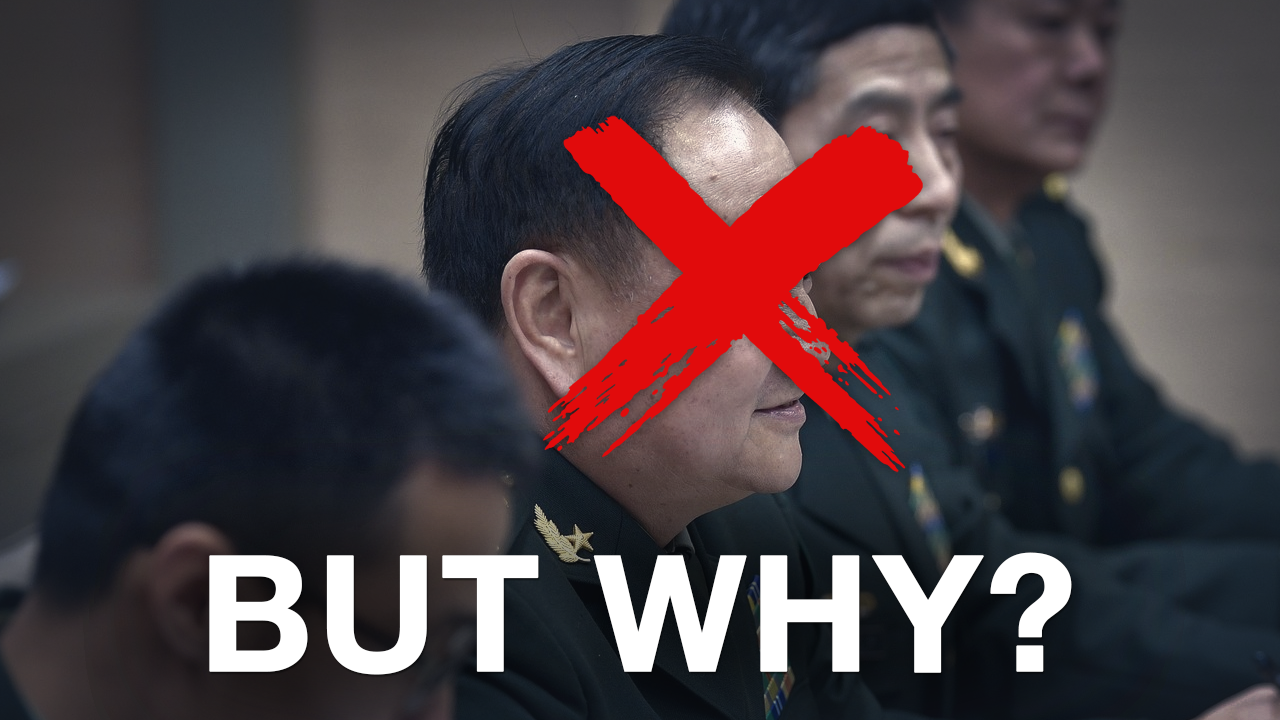
Last week, China announced the ouster of top general Zhang Youxia , the most powerful victim of Xi Jinping’s military purges to date. We explained Zhang’s ouster, some of the more plausible reads of Xi’s intentions, and the ramifications of Zhang’s removal, in this episode .
What we didn’t cover, however, was the way that Zhang’s firing risks widening a gap in communication between China and its global arch-rival, the United States. This recent Reuters analysis explains Zhang’s centrality to US-China military relations, as a less ideological, more professional contact than any of his likely replacements. Zhang’s experience, his reputation for competence, and his American connections all made him a key to effective Sino-American communication, even during the highly manicured meetings that Beijing has long preferred. In Foreign Affairs , China analyst Christopher Johnson offered additional insights on Xi’s apparent impatience with Chinese military leaders.
New Battles Rock Balochistan Province:
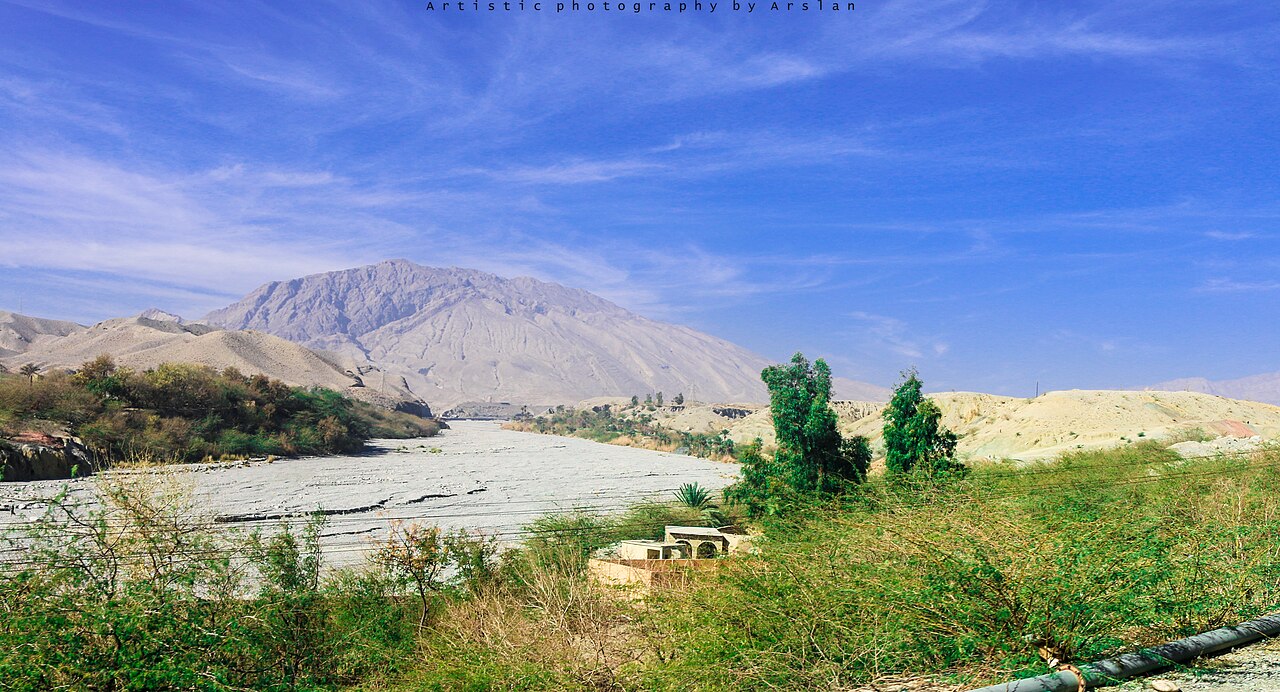
Pakistan’s restive Balochistan province was rocked by a weekend-long series of bombings and gun battles , after separatist insurgents led by the Balochistan Liberation Army (BLA) carried out a wave of attacks across the region. As of Monday, Pakistani forces reported 177 Baloch militants killed across more than forty hours of fighting , and nearly fifty people dead as a result of BLA attacks.
The violence was preceded by a pair of raids by the Pakistani military last Thursday, as mentioned in last week’s Friday Blitz newsletter. During those raids. Pakistani forces assaulted two hideouts across Balochistan: one in the district of Panjgur, and the other in the district of Harnai. Per Pakistani officials, both raids resulted in gun battles, with a total of forty-one militants killed across the two locations; Pakistani troops suffered no reported fatalities.
The raids were part of ongoing “ sanitization operations ” that Pakistan has engaged in across Balochistan, responding to a recent surge in Baloch separatist violence that’s come simultaneously with an increase in Pakistani Taliban attacks elsewhere. Pakistan alleged that the militants killed last Thursday had been involved in attacks on security forces, and in bank robberies.
The BLA’s apparent response came two days later, when, early on Saturday, nearly two hundred BLA militants in small units carried out a wave of simultaneous suicide bombings, assaults with small arms, and ambushes against police stations, security facilities, banks, schools, and allegedly, civilian homes.
According to Pakistani security sources, the wave of attacks killed at least thirty-one civilians and seventeen members of the security forces. There is reason to suspect a higher death toll ; both Pakistan and the BLA have a known tendency to under-report losses on their own side, and inflate losses among adversary forces. The surprise nature of the BLA’s attack, across many locations at once, would suggest that the experienced insurgent fighters would likely have claimed more lives than Pakistan will admit.
In response , Pakistani forces began a wave of intense counterattacks and reprisals across Balochistan. Across several days of nearly continuous fighting, Pakistani troops have engaged BLA cells and retreating militant units whenever possible, while the Balochistan government has imposed lockdowns and restrictions on public gatherings.
Over the weekend, Pakistan lobbed blame for the attack in multiple directions, but predominantly against India , which Pakistan claims, without evidence, is guilty of supporting the BLA in its current and previous insurgent operations. In discussing the Pakistani government’s response, Interior Minister Mohsin Naqvi described BLA militants as “ Indian agents and their facilitators […] ”.
While the BLA does appear to have taken heavy casualties in response to its attacks, the group is unlikely to pause operations anytime soon. On Monday, the BLA called for ethnic Balochs to support the movement —which they have done, with growing strength, in the last several years. The basis of the BLA’s separatist claim rests on Pakistani, and foreign, exploitation of Balochistan’s immense natural resources , while ethnic Balochs see few, if any returns from the extraction of their land’s bounties.
Image Credit: “mach balochistan” by Arslan Arshad is licensed under CC BY 4.0 .
What We're Reading:
It’s been a very stressful weekend for Middle Eastern leaders , as Gulf states move to try and discourage American strikes on Iran, while insulating themselves against potential Iranian retaliation against Gulf oil fields and energy infrastructure.
One Middle Eastern leader, however, is in a unique position to ride out the storm, largely as a result of his work across the last several years. In this Foreign Policy commentary , analyst Bobby Ghosh explains the tenure and successes of Sultan Haitham bin Tariq , Oman’s leader of six years. While other Gulf states pursue vanity projects, regional proxy adventures, or geo-strategic centrality, Oman’s sultan has charted a different path, pairing fiscal discipline with diplomatic shrewdness to keep his nation out of the line of fire.
Around the World:
The United Nations faces “ imminent financial collapse ”, according to statements by Secretary General Antonio Guterres, due to a combination of unpaid dues and institutional barriers that prevent the UN from utilizing funds it already has. The news comes as nations, particularly the United States, have declined to pay their regular, mandatory dues to the international body amidst a larger disengagement from global organizations. The US currently owes roughly $4.6 billion.
A Russian drone strike killed at least twelve miners on Sunday, as they traveled on a bus at the end of their shift in the Dnipropetrovsk region. The attack marks a brazen escalation of Russia’s strikes on Ukrainian energy infrastructure and personnel, and came just days after Russia supposedly agreed to halt strikes on energy infrastructure, at the request of US President Donald Trump. In the pre-dawn hours on Tuesday, Russia launched major strikes across eight regions, emphasizing targets in and around Kyiv and Kharkiv, devastating remaining energy infrastructure one day before new peace talks were slated to begin.
Nigeria continued counterinsurgent operations in northeastern Borno State over the weekend, claiming to have killed a high-ranking Boko Haram commander and ten fighters in the dangerous Sambisa Forest. The forest was the site of a jihadist-against-jihadist battle years ago, after which time, remaining Boko Haram elements swore loyalty to the Islamic State – West Africa Province, the main target of Nigeria’s current offensive.
In the latest sign of renewed violence in Ethiopia’s Tigray region, Ethiopian forces launched two drone strikes on Saturday, hitting separate trucks roughly twenty kilometers apart. Local sources indicate that one person was killed in the strikes; the trucks’ cargo is unclear, but Tigrayan media claimed that they carried food and supplies.
Transfers of Islamic State detainees from Syria to Iraq, overseen by US forces, continued but slowed down over the last week. Only about 500 fighters have been moved, out of 7,000 that were initially intended to be transferred within just days. Iraqi and Western officials told Reuters that Iraq asked the US to slow the pace of new arrivals, while in Syria, Islamic State detention camps are at increased risk of jailbreak attacks following the collapse of the Kurdish-led Syrian Democratic Forces.
Venezuelan interim leader Delcy Rodriguez announced a proposal that would extend general amnesty to all political prisoners, excusing all alleged wrongdoing since the start of the Hugo Chavez presidency in 1999. Rodriguez also announced plans to close a notorious Caracas prison, El Helicoide, where the use of torture is allegedly common.
The regional bloc ASEAN, the Association of Southeast Asian Nations, announced that it will not recognize the recent set of elections run by Myanmar’s military junta. The announcement is a major blow to Myanmar’s leaders, who sought to legitimize their post-coup rule through a vote widely regarded as a sham.
A mine collapse in the eastern Democratic Republic of the Congo left over two hundred people dead last week, at a site that produces roughly 15% of the world’s coltan. The site is under the control of the Congo’s M23 rebel group, which has continued mining operations and trafficked coltan to neighboring Rwanda, where it enters global markets.
Militants with ties to Yemen’s now-defunct, UAE-backed Southern Transitional Council (STC) stormed a Yemeni newspaper headquarters on Sunday, looting its offices and assaulting staff. The incident is the latest indicator that despite the STC’s official dissolution, STC-loyal elements in southern Yemen may pose an enduring threat.
The Wall Street Journal reports that an outstanding whistleblower complaint against the United States’ Director of National Intelligence, Tulsi Gabbard, has been stalled for months, with America’s intelligence chief accused of stonewalling the report. Per unnamed officials, the report’s contents could create “ grave damage to national security ”.
The national security adviser to Slovakian Prime Minister Robert Fico, Miroslav Lajcak, resigned this weekend after being named in the latest release of files related to disgraced financier and trafficker Jeffrey Epstein. Lajcak is the first European defense figure to leave his post due to Epstein revelations, but is among several prominent current and former officials across the continent whose ties to the now-deceased Epstein have been revealed.
German Chancellor Friedrich Merz told the Bundestag that European nations are discussing a shared, European nuclear umbrella , in light of tensions with the US over the trans-Atlantic NATO alliance. Merz noted that discussions are currently at an early stage, and that Germany’s engagement in nonproliferation treaties would not prevent it from adopting nuclear protections from European partners, any more than it prevented Germany from assuming a place under the US nuclear umbrella.
The United States approved massive arms sales to Israel (worth nearly $6.7 billion) and Saudi Arabia (worth $9 billion) on Friday night. Israel will receive thirty Apache attack helicopters and over 3,000 Joint Light Tactical Vehicles, the replacement for America’s Humvee, while Saudi Arabia will receive 730 Patriot PAC-3 missile interceptors.