
China & Indo-PacificInsider article11 min read
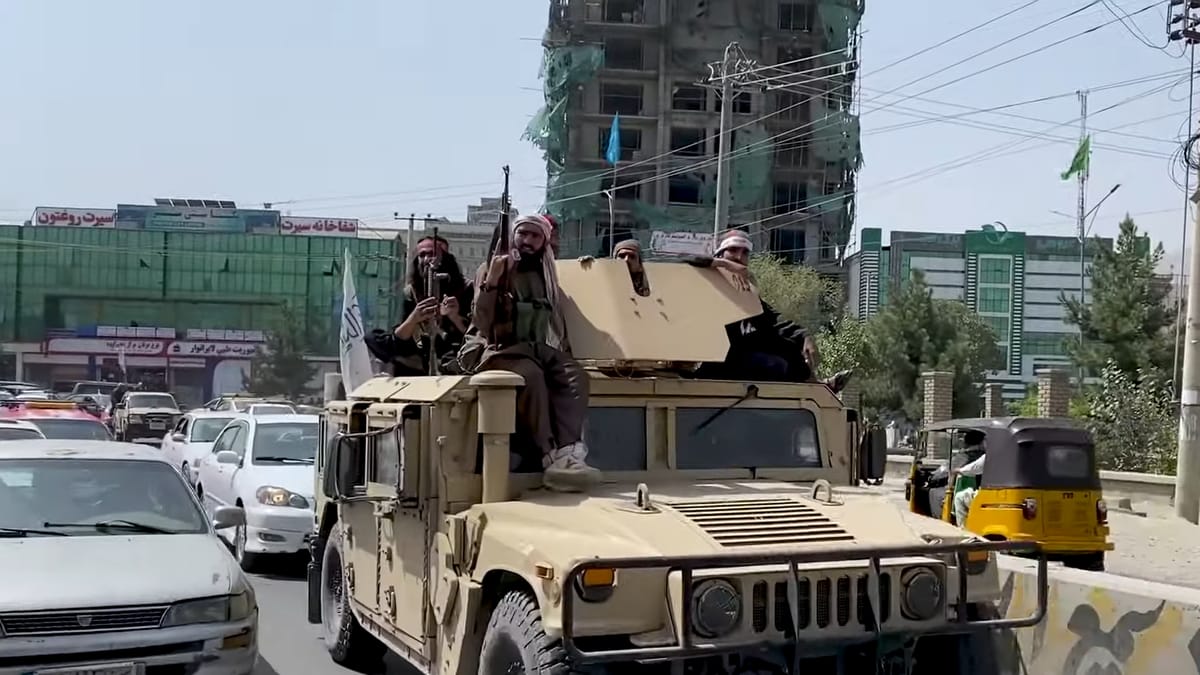
The Taliban Won Afghanistan. Now They're Fighting Each Other
Key insights1 of 4 shown
- The Taliban's centralization of power around Pashtun leadership is fueling internal ethnic fractures that threaten to split the movement.
- Locked: for Insiders
- Locked: for Insiders
- Locked: for Insiders
The past few weeks have seen all manner of major incidents in multiple warzones across Africa and Asia. So, you would be forgiven for having missed the latest developments in Badakhshan - a border province of Afghanistan that sits in a key position between Pakistan, China and Tajikistan.
For a few days, a battle raged in this beautiful, desolate land. And while it was ultimately resolved by mediation, it highlighted a looming problem for the Taliban. One triggered by a potent mix of domestic and international crises that threatens to split their own coalition wide open.
Since the fall of Kabul, the anti-Taliban effort has struggled to maintain relevancy and strength, amid a slow and meticulous centralizing of power in the hands of Pashtun-oriented senior leadership - a group that is also strong on the other side of the border in Pakistan.
But Badakhshan shows the limits of that centralization. The recent battle was, effectively, an internal fight, with the antagonist a Taliban commander of Tajik ethnicity, hinting at bigger problems that may be coming down the line. As the Supreme Leader has started shuffling around non-Pashtun Taliban members - influencing local power balances and the old division of spoils - a certain amount of bitterness has begun to set in among other ethnicities, as they slowly realise the promises that enticed them to join the movement in the first place may in fact no longer apply.
The commander in question - Juma Khan Fateh - is a controversial figure, whose conduct is on the more-radical side of an already-radical movement. To the extent that one could argue his profile would be more suited to Islamic State Khorasan - the local chapter of the group which has become infamous in recent years for daring terror operations throughout Asia and Europe, including the Moscow concert attack in March 2024, the Kerman bombings in Iran the same year, or the Abbey Gate bombing during the hasty American withdrawal from Kabul. Fateh seems to be a fan of cruel conversions to Sunni Islam, and has targeted members of the local Shia populations - a big deal in a nation with relatively large Shia minorities like the Hazaras. In the Afghan context, he is perhaps best understood as an old school warlord, of the type the Taliban’s victory was meant to have snuffed out.
Tajikistan accuses him of smuggling alcohol and drugs, the Chinese of torture and forcible conversions of its citizens, while Iran obviously takes a dim view of someone keen on brutally eliminating Shia believers. The Taliban’s centralization of authority (and thus the gradual withdrawal of local income streams) is likely what triggered Fateh’s rebellion. Ultimately, mediation from the Chief of staff of the Emirate’s army allowed him to remain alive and well, despite his actions causing casualties among the Taliban ranks.
In choosing negotiation, the Taliban is playing with fire. Fateh may well decide later on to defect to - or silently support - rival groups, all of which would be only too glad to inherit his contacts, and happy to turn a blind eye on whatever he does locally as long as their interests converge. Don’t be too shocked if you read in a few months’ time that he’s defected to the Islamic State: currently the Taliban’s number one domestic enemy, and filled with former members of other jihadist organizations from Tajikistan and Uzbekistan.
Challenges Multiply
Remarkably, this mini civil war wasn’t the only major event to take place in Badakhshan this summer. Just last month, the whole district in Yaftal e-Paeen fell briefly to a newly announced group of insurgents calling themselves Homeland Guard. While the Taliban reestablished control in short order, it still marked the first time another group proved itself capable of seriously challenging them in any part of the country.
Loading…
We couldn’t load the rest of this article just now.
Insider article
This article is for Fronts Insiders.
Two-thirds of this analysis is still to come, plus 3 more key insights.
Free, no card
Read this free with a Fronts account
Then one Insider article a month. No card, no password.
- Enter your email
- Read on
- Confirm your email later
The robot check is taking too long.
or email support@fronts.co
The form could not start. Reload the page and try again, or email support@fronts.co.
Make a free accountAlready have one? Sign in below.
Fronts Insider
$5 a month · or $50 a year
- Every Insider article
- 130 exclusive videos
- All 938 WarFronts and HomeFronts videos, sponsor-free
- Cancel anytime. Money back within 30 days.
Already an Insider? Sign in and you'll land back here.
Insider article
This article is for Fronts Insiders.
Two-thirds of this analysis is still to come, plus 3 more key insights.
Your free article
Read this one free
You get one Insider article a month. Use it here?
Fronts Insider
$5 a month · or $50 a year
- Every Insider article
- 130 exclusive videos
- All 938 WarFronts and HomeFronts videos, sponsor-free
- Cancel anytime. Money back within 30 days.
Free to read now
No account needed
No-One Knows How Many Have Died in Myanmar's Civil War
Evan Moloney · 12 min read
Myanmar’s Resistance is Fracturing. Here’s What that Means
Thomas van Linge · 14 min read
Trump’s Maduro Raid Isn’t Just About Oil – It’s About China (Opinion)
Oli Carpenter · 9 min read