
WarFronts Weekly 7.28.2026.
WarFronts Weekly 7.28.2026.
Evan Moloney • July 28, 2026
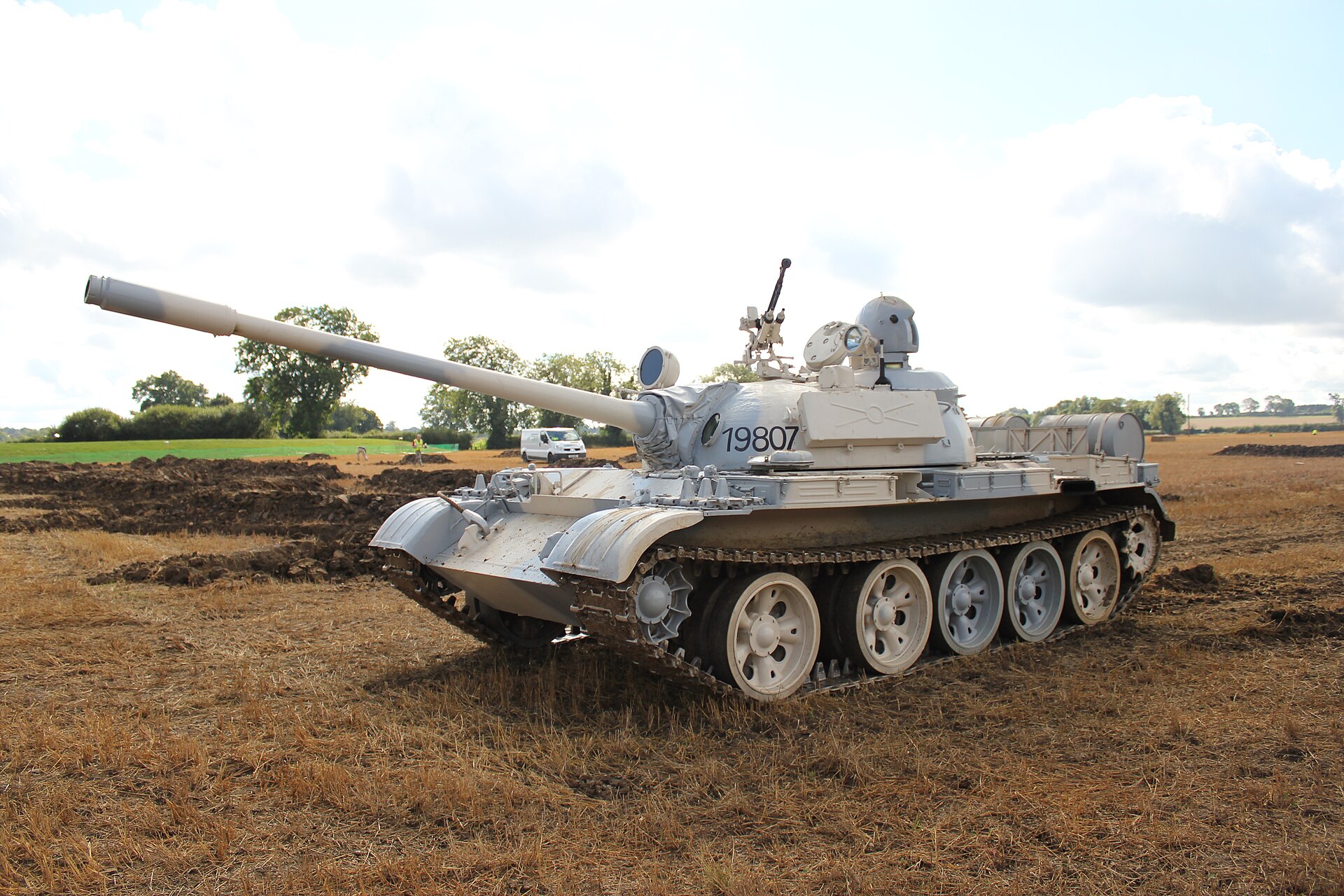
The Sudanese Armed Forces secured their biggest victory in a year and a half today, reopening the strategic route between the capital, Khartoum, and El-Obeid.
-War analyst Clement Molin, via X
Author’s Note:
WarFronts Weekly will take a brief hiatus on Friday, 31 July, while our team enjoys a bit of summertime R&R. We’ll be back for the following installment, on Tuesday, 4 August, with an extra-length newsletter to catch up on what we missed.
Sudanese Armed Forces Break Siege of El-Obeid:
Over the last several weeks, international governments and rights groups have attempted to sound the alarm on the siege of El-Obeid, a Sudanese city encircled by the paramilitary Rapid Support Forces (RSF). Those observers, and others, feared that an RSF assault on the city could result in apocalyptic violence against civilians, similar to the RSF’s genocidal destruction of El-Fasher in 2025.
This week, however, the Sudanese Armed Forces (SAF) achieved its most strategically significant victory in well over a year, capturing several key towns and villages along the road linking El-Obeid to the capital city of Khartoum. Those settlements are positioned along the Al-Sadarat Highway, the road link that directly connects El-Obeid to Khartoum.
The road has been under the control of the RSF since the start of the Sudanese Civil War, over three years ago. As a tool for the RSF, it has facilitated freedom of movement between several defensible, strategic cities and towns—enabling the years-long isolation of El-Obeid, and creating pressure on Khartoum directly.
The SAF achieved a partial breakthrough in the El-Obeid direction in May 2025, when its forces managed to reach a nearby area and establish an anchor point for limited resupply operations. The RSF, however, proved consistently able to prevent the SAF from consolidating its gains further, both by defending key towns outright, and by vacating towns under pressure, only to return later via unexpected routes.
This weekend’s SAF offensive, however, managed to succeed where all others have failed. With a direct road link to El-Obeid finally re-established, aid groups and government allies hope that civilian convoys may be able to move freely in the near future—opening the possibility of a mass evacuation of vulnerable people from the city.
Before that evacuation can take place, however, the SAF will need more time to consolidate its control over the surrounding area, and close off alternate routes that highly mobile RSF units could use to attack traveling targets. Until the SAF firmly controls the zone, civilian travel will remain highly risky, due to the significant possibility of RSF reprisal attacks against convoys.
Image Credit: ”T55 Tank in field” by Zaphad1 is licensed under CC BY 2.0.
This Week on Fronts:
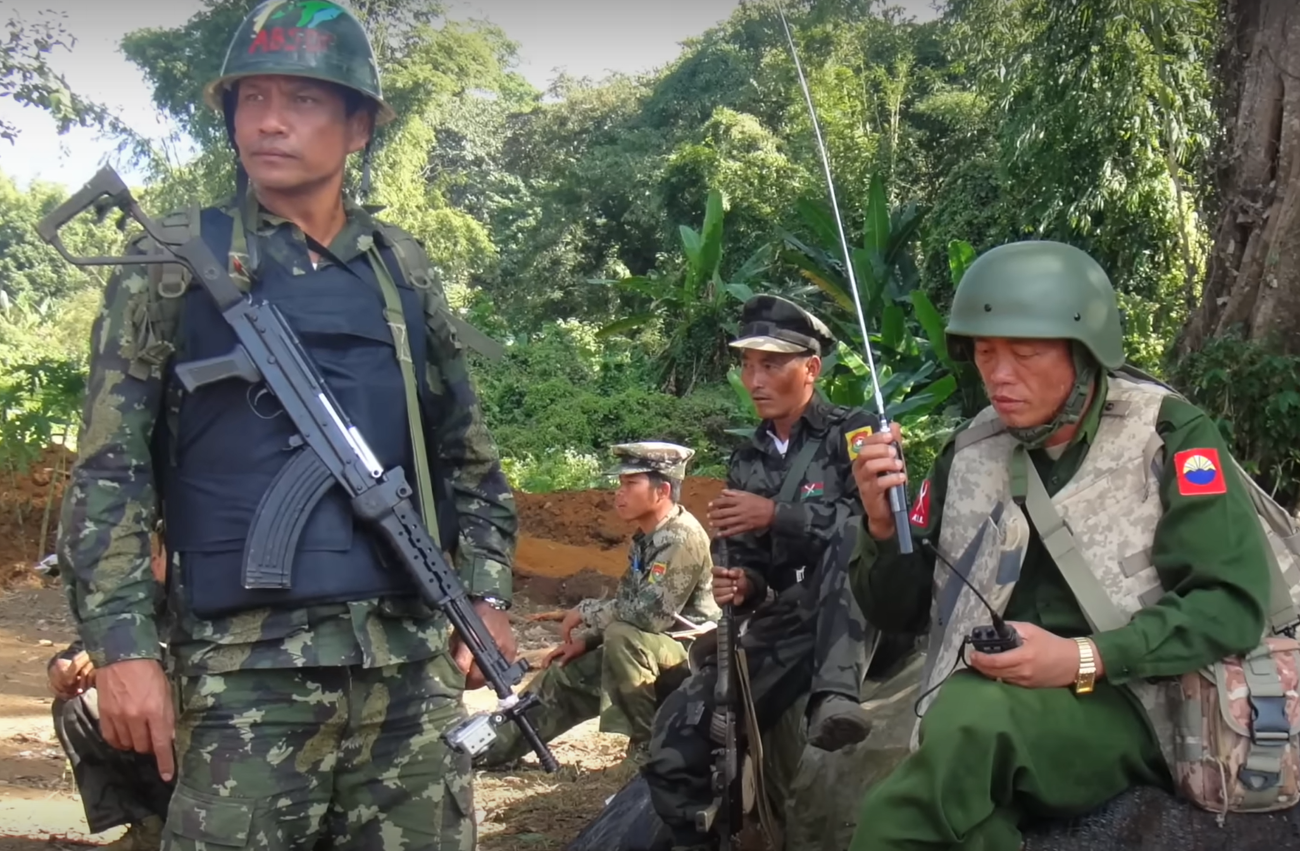
This week, Fronts.co hosted global conflicts expert Thomas van Linge, writing on the increasingly fractured nature of Myanmar’s anti-regime resistance. Over five years since the start of Myanmar’s full-scale civil war, Van Linge explains the growing indicators that Myanmar’s rebel alliance is at risk of collapse.
Between growing Chinese influence across the country, diverging priorities amongst rebel groups, and growing frustration with the nation’s unarmed pro-democracy movement, Van Linge argues that the optimism and momentum of the last several years may have been lost—and more profound setbacks may lie ahead.
Vehicle Bomb Intercepted in Ireland:

On Friday, Irish police announced the interception of a car bomb en route toward the nation’s border with Northern Ireland, in the latest of a string of recent interruptions to alleged nationalist plots. Two people were arrested after the bomb was discovered: a law student and an employee of Dublin’s Collins Barracks National Museum.
The bomb was described as “highly sophisticated” and capable of causing “devastating consequences”, according to national law enforcement. The two suspects faced questioning and an initial court appearance; neither has directly conceded their willful involvement.
Most Irish republican militants have long since concluded their asymmetric campaign against British and pro-British forces over the fate of Northern Ireland, following the agreement of the Good Friday accords of 1998. Small splinter factions remain active across the country, however—chief among them, the organization known as the New IRA.
The New IRA have claimed credit for multiple attempted attacks this year, including the near-successful planting of an improvised car bomb in Northern Ireland this March. One of the two suspects arrested in the latest incident, the Collins Barracks employee, has known prior ties to the New IRA’s Dublin branch. The latest car bomb was intercepted near the Northern Irish border, in a Dublin suburb.
Image Credit: “Merrion Road, Dublin 4 […]” by Dean Molyneaux is licensed under CC BY-SA 2.0.
What We're Reading:
Russia’s paramilitary Africa Corps are running out of options in the nation of Mali, as they and their local allies prove consistently unable to outfox a combination of al-Qaeda-linked JNIM insurgents, Tuareg separatist militias, and bands of fighters loyal to the Islamic State – Sahel.
This recent analysis by Bellingcat sheds new light on the Africa Corps’ latest attempt to shake things up: the introduction of Russian-made drones in the style of Iran’s Shahed-136. Highly effective across the Middle East and Eastern Europe, the drones—known in Russia as the Geran—may provide a meaningful expansion of long-range strike capability.
Our WarFronts/HomeFronts Team is proud to announce the launch of Fronts.co, our brand-new subscriber service.
Around the World:
Yemen’s Houthi rebels expanded their attacks against Saudi Arabian targets on Monday, claiming credit for strikes that targeted the Saudi port city of Yanbu—the primary port that Saudi Arabia uses to facilitate oil exports from the Red Sea, and bypass the Strait of Hormuz. The Houthis also targeted Saudi Arabia’s East-West Pipeline, a major, exposed infrastructural project meant to ensure safe transfer of oil across the Saudi interior.
A suspected bandit attack in Nigeria’s northwestern Kaduna State left an estimated thirty people dead, including eight children, continuing the ongoing security breakdown in the region. In this attack, gunmen razed homes and appeared to target women, children, and the elderly, in an overnight attack with an unclear objective.
A suicide attack in northwest Pakistan, near the Afghan border, left twelve soldiers, twelve militants, and three bystanders dead, according to the Pakistani military. The attackers are believed to have been acting on behalf of the Pakistani Taliban; they used a suicide bomb to attack a security checkpoint, before engaging the survivors in a gun battle.
Iran’s Foreign Ministry confirmed on Saturday that a Ukrainian strike against a commercial vessel on the Caspian Sea left one Iranian national dead. According to Kyiv, the strike followed observations that Iran had allegedly received satellite targeting data from Russia. The Caspian Sea provides both Russia and Iran a key trade link with Central Asia, at a time of intense sanctions against both nations.
Honduran ex-President Juan Orlando Hernandez returned to his home nation on Sunday, eight months after he was pardoned by US President Donald Trump in the early years of a 45-year prison sentence for arms and drug trafficking. Hernandez is expected to face fraud and money laundering charges in Honduras, although they may be dismissed by Honduras’ friendly government under Nasry Asfura.
Peruvian President Keiko Fujimori took power today, in a transition that Peruvians hope will bring an end to a long decade of political chaos. After winning the president’s seat by a razor-thin margin, Fujimori does not enjoy a particularly strong mandate to lead, but she does wield immense leverage over the Peruvian legislature—which was ultimately responsible for the downfalls of several Peruvian ex-leaders across the last decade.