
Fault Lines in Iraq: How Baghdad’s Many Factions Influence the War in Iran.
The ongoing war in Iran will shape the future of the Middle East, but nowhere will its impact matter more than in neighboring Iraq. Learn how Baghdad's many factions are responding as the conflict expands.
Evan Moloney • March 9, 2026
Up next
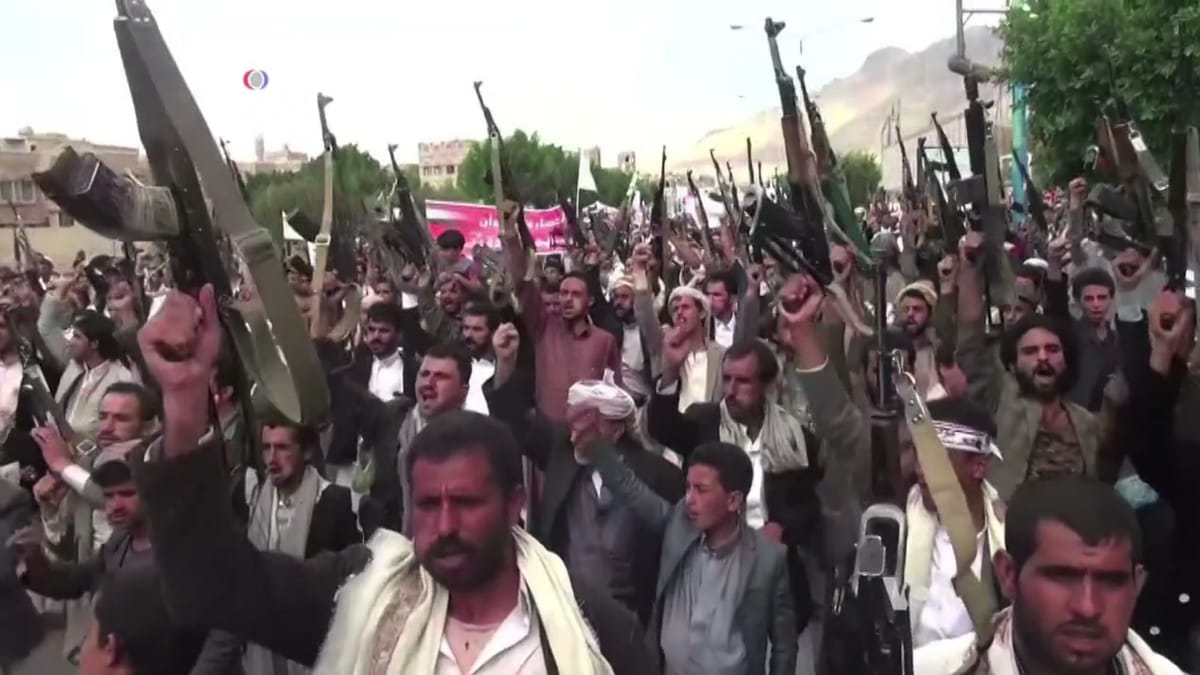
Yemen's Crisis Has the Potential to Get Much Worse
Paweł Wójcik · September 10, 2026 · 10 min read
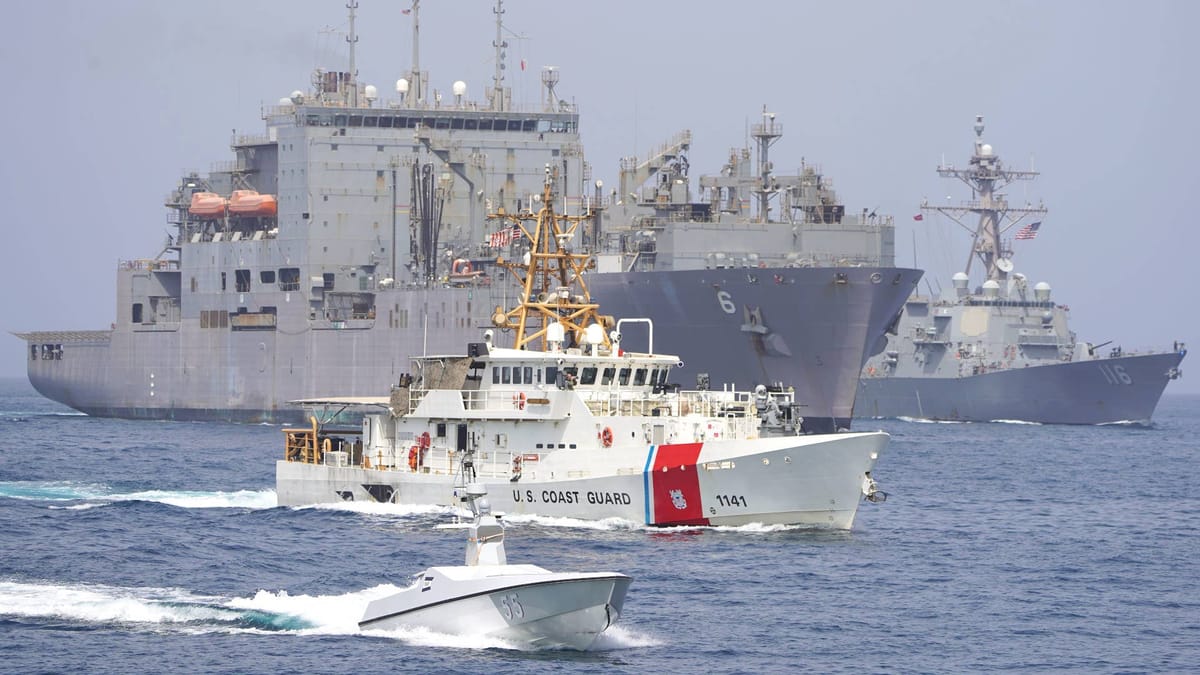
The US Has One Last Option in Iran (Opinion)
Kyle Moran · August 5, 2026 · 16 min read
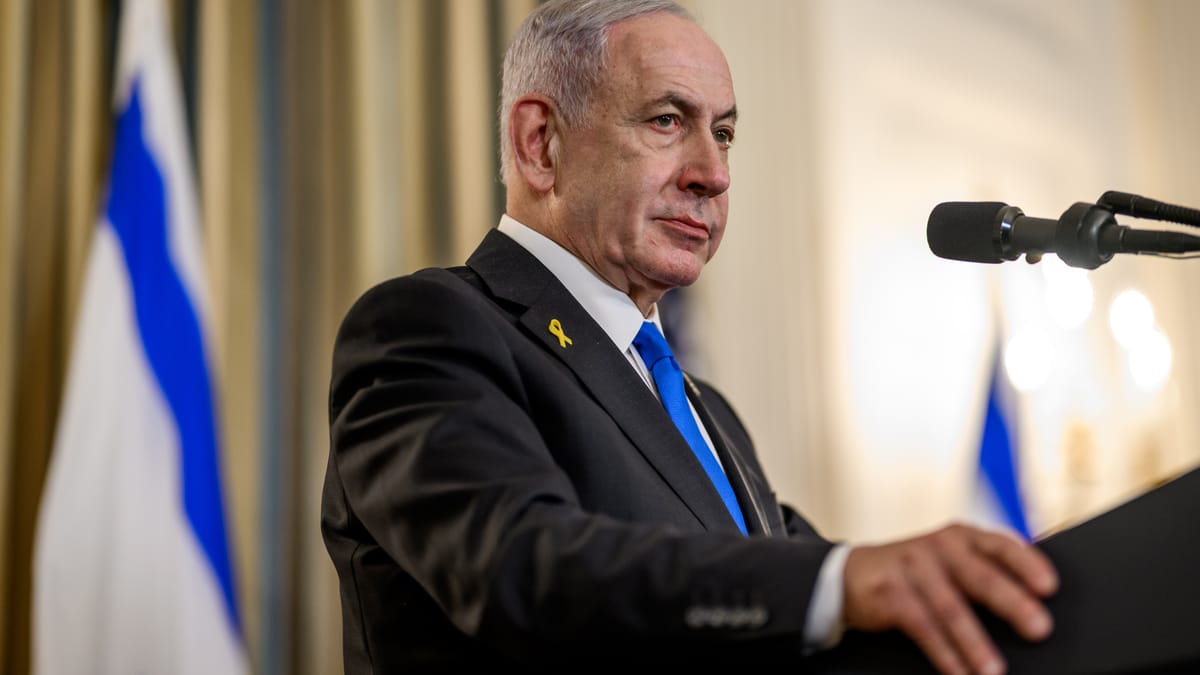
Israel is the Iran War's Biggest Loser
Netanyahu sold Trump a quick regime-change campaign; instead Israel got a hardened Tehran, a US-Iran deal that guts its nuclear case, and Washington pressing it to quit Lebanon.
Kyle Moran · June 17, 2026 · 17 min read
The ongoing war in Iran will shape the future of the entire Middle East, but nowhere will its impact matter more than in neighboring Iraq. For decades, Iraq’s most powerful armed and political factions have defined themselves by their orientation toward Iran, whether in alignment or in opposition. Now, as Iran’s regime faces an existential threat, Iraq faces one too. Yet whereas Iran’s crisis pits a deeply entrenched theocracy against a mass of outside threats, Iraq’s crisis pits internal factions against each other, as each seeks to leverage the Iran War to either expand their own power and influence, or find a way to survive.
Iran’s Proxy Allies.
2003 was an exceptionally bloody year for Iraq, but for Iran, it was the start of a decades-long stretch of opportunity. In the power vacuum that followed the ouster and death of Saddam Hussein, pro-Iran Shia factions rose to prominence across the nation’s civic and armed power structures, often with direct support or aid from Tehran. Partially driven by anti-US animus at the height of American occupation, and partially driven by a desire to secure control as Iraq’s majority after many years of Sunni-led strongman rule, Iraqi Shia groups played a key role in the violence that followed. As Shia civil leaders worked to maintain control over Iraq’s post-occupation government, Shia militias worked parallel to the Iraqi military, and not always in pursuit of the same objectives. While many of those Shia fighting factions began as armed opponents to US and coalition forces, they evolved rapidly in the post-occupation years. At times, they fought various Sunni jihadist organizations, Ba’athist insurgent groups, and the Islamic State, particularly at its height in the mid-2010s. Iraq’s pro-Iran insurgent groups have cultivated deep ties with Tehran over time, and spent years embedded as part of Iran’s wider Axis of Resistance, including Hezbollah, Hamas, and other groups. Today, the bulk of Iraq’s pro-Iran militias express allegiance to an umbrella group, the paramilitary Popular Mobilization Forces (PMF). While the PMF is not a truly unified armed group, its component militias mostly align in their declared, open allegiance to Iran, and their express intent to advance Iranian objectives in Iraq. Within the PMF, prominent factions include Kata’ib Hezbollah, the Badr Organization, and Saraya al-Khorasani, among others. They are well-armed, financed by a range of outside backers, and organized into a brigade structure, generally responding to directives issued by PMF central leadership. Many groups under the PMF also express allegiance to a parallel organization, the Islamic Resistance in Iraq—essentially a catch-all moniker that pro-Iran militias use, while staging attacks on US, Israeli, or partner forces in the region. Complicating matters further, the PMF is legally integrated into the Iraqi Armed Forces, although that relationship functions mostly to provide a legal shield for PMF activities, and does not grant Baghdad any meaningful level of control. In 2025, the PMF was the subject of intense domestic and international controversy, as Iraq’s parliament attempted to formally subordinate the group to the Prime Minister and otherwise curb their power. That law, however, has not yet been passed, largely due to concerns that it could backfire and grant the PMF de-facto control over Iraqi levers of state power. Before and during the current war in Iran, Iraq’s PMF has played a significant role in the bloodshed. In January, PMF forces are believed to have traveled into Iran and participated in the exceptionally bloody regime crackdown against the nation’s civil protest movement. In March, PMF-linked militias have claimed credit for dozens of attempted rocket or drone attacks, especially against a US base in the northern Iraqi city of Erbil. On Tuesday, March 3, the Islamic Resistance in Iraq claimed credit for twenty-seven attacks within twenty-four hours; the Islamic Resistance has continued attacks since that time. On March 7, pro-Iran groups are suspected of having attacked the US Embassy in Baghdad. US forces have responded with force, including with the killing of the leader of Kata’ib Hezbollah, and other bombing and suspected one-way drone strikes. Middle East observers have noted, however, that strikes by the PMF and affiliated groups have come at a lower volume, and with less impact, than anticipated. Tehran has not formally called upon many of its militias to act, and proxy groups have yet to mobilize in force. Even among the attacks that pro-Iran militias have claimed, a large portion of those attacks do not appear to have actually taken place as described. Instead, regional sources indicate that pro-Iran militias are shifting into a less aggressive posture than usual—still aggressive, but not to a degree that prior rhetoric or action would suggest. In part, militia leaders seem to be working to dodge sanctions, and protect their personal wealth and power. Today, Iraqi militia factions preside over sizeable, legitimate business investments across the nation, and are hesitant to put their capital at risk. Foot soldiers, meanwhile, lack much of the weaponry and will to fight that they once possessed, with direct Iranian support and funding essentially gone after 2025’s Twelve-Day War. Finally, the US and Israel have demonstrated a consistent ability to surveil and punish Iraqi militias when they do act, across the opening days of the conflict. Iraq’s militias are still a danger to anti-Iran fighting factions, and to their interests and allies across the Middle East. They are not, however, accepting maximum risk to themselves in support of Iran, and they appear to be calibrating their actions to avoid escalation where possible. That careful approach may change, if the war begins to pose an imminent existential threat to the Iranian regime, or if the US and Israel act in ways perceived as aggression against the Middle East’s entire Shia community. For now, however, Iraq’s militia groups are preserving their options, past the eventual conclusion of the current conflict.
Autonomous Factions.
In the northeast, semi-autonomous Iraqi Kurdistan wields considerable power of its own, helped along by both its relationship with the United States, and its control over agricultural lands that feed a large share of the country. As the ongoing war in Iran worsens, American and Israeli interest has shifted toward Iraqi Kurdistan, as the launchpad for a prospective Kurdish invasion of northern Iran. Across Iraq’s borders, Iranian Kurdistan has been tightly controlled and monitored by Iran for decades, with most of the country’s anti-regime Kurdish population either living quietly within Iran’s borders, or leaving to Iraq or other nearby nations. There, armed factions have long harbored ambitions to retake their homeland, although a suitable opportunity had not presented itself, until the start of the current conflict. In Iraq, as well as across the rest of the Middle East’s Kurdistan region, Kurdish paramilitary forces are well-equipped, well-organized, and generally capable of securing their own territory. US forces operate from Iraqi Kurdistan as well, particularly at the al-Harir Air Base and Erbil International Airport, each in Iraqi Kurdistan’s capital city of Erbil. We’ve discussed Kurdish, US, and Israeli preparations for an offensive at length, here on WarFronts. At present, however, the bulk of Kurdish planning for an offensive has been conducted through a coalition of five key Iranian Kurdish parties, as well as their respective armed wings. These forces are expected to form the vanguard of any coming offensive, while Iraq-based Peshmerga forces may contribute thousands, or even tens of thousands, of their own fighters to that effort. But Iraqi Kurdish leaders are not unified in their support of a Kurdish offensive. In Erbil, Iraqi Kurdish administrators have expressed acute concern over the security risks that Erbil and the region could face. These fears have already been partially realized, in militia attacks against Iranian Kurdish party sites across Iraqi Kurdistan. On the sixth of March, Iran issued a threat to all of Iraqi Kurdistan, vowing to target all Kurdish facilities if militants were allowed to enter Iran across the border zone. In response, Iraq’s Kurdistan Regional Government has attempted to de-escalate tensions and reassure Iran, while seeking US guarantees that Iraqi Kurdistan will be protected. Notably, Iraqi Kurdish leaders are not uniformly opposed to Iran; since 2023, they have cooperated with Baghdad to impose an Iran-brokered deal to disarm some Iranian Kurdish groups, and relocate them from the border. Under normal circumstances, Iraqi Kurdish leadership would have all the power and leverage they might need, to prevent Iranian Kurds from launching an offensive without approval. Today, however, the United States and Israel appear aligned with Iranian Kurdish ambition, and are reportedly coordinating in-depth with Iranian Kurdish leadership, while preparing to use air power to facilitate a coming advance. For Iraqi Kurdistan, that means that American and Israeli leverage is likely to be exerted in Iranian Kurds’ favor, constraining the tools at the disposal of the Iraqi Kurdish government. Iraqi Kurdistan remains dependent on US goodwill, to stave off political or even armed challenges from Baghdad in the future, and that relationship is too important to jeopardize, even if US regional decisions introduce considerable risk for Iraqi Kurdistan. As a result, prominent Kurdish leaders have mostly dropped any active opposition to American goals, even though they may passively harbor frustration or animosity toward US ambitions and actions. Those leaders include Massoud Barzani and Bafel Talabani, who spoke directly with Donald Trump last week and heard a request to allow the movement of Iranian Kurdish fighters across the border zone. While Iraqi Kurdish leaders would risk disrupting their fragile peace with Iran, by allowing an advance of this kind, the survival of Iran’s ruling regime is far from assured. Kurdish leaders may calculate that either a diminished Iranian regime, or a new government in the future, may not be able to exact revenge upon Iraqi Kurdistan, whereas the costs that the US could impose by withdrawing support, would be immediate and far-reaching. Iraqi Kurdish Peshmerga forces deserve their own consideration; while they are broadly aligned with the regional Kurdish government, Peshmerga forces bear loyalty to political parties, local communities, and, very often, a broader sense of pan-Kurdistan identity and ambition. Those forces are not guaranteed to follow Iraqi Kurdish directives, to either remain on the sidelines, or to advance in a rear guard and hold captured territory. Instead, they may choose to participate in the Iranian fight more directly. Like Iranian Kurdish fighters, they are likely intrigued by the prospect of an Iranian Kurdish autonomous enclave, especially as Kurdish groups across the Middle East cope with the loss of autonomous Syrian Kurdistan, and the dissolution of the Kurdistan Workers’ Party in Turkey. Finally, the specter of American betrayal hangs over the head of Iraqi Kurdish leaders—again, informed by the experience of Syrian Kurdish forces. On Sunday, Syrian Kurdish residents directly warned Iranian Kurds against accepting US support, citing their repeated experiences of abandonment by Washington—in the late 2010s, against Turkey, and in 2025 and 2026, as their enclave was pressured, dismantled, and absorbed by Syria’s post-Assad, Turkish-aligned administration. For Iranian Kurds, US abandonment could leave their forces overextended and exposed in Iranian territory. For Iraqi Kurds, however, the price of a US withdrawal of support would be different, though no less severe. Washington’s troop presence, and its diplomatic advocacy for Iraqi Kurdistan, is a key insulator against both regional and domestic upheaval when Kurds would otherwise be left vulnerable. Lose that protection, and Iraqi Kurdistan may be on its own, in a time of rising Middle Eastern conflict.
Fractured Politics.
For most nations, the presence of functionally independent pro-Iran militia groups, as well as a semi-autonomous and militarily empowered Kurdish region, would be more than enough challenge for the national leadership. In Iraq’s case, however, national unity is no greater in Baghdad than anywhere else, and internal divisions are only inflamed further by Iraq’s clear vulnerability to regional upheaval. Iraq’s foreign policy is the subject of constant, and at times, vitriolic debate. The nation’s diplomatic valence, toward Washington or Tehran respectively, is deeply polarizing, with tensions inflamed further by the presence of both an American military presence, and the role of Iran’s aforementioned, powerful allied militias. That debate is, in turn, underscored by a painful reality: Internationally, and in armed domestic conflicts, Iraq’s decisions are often not its own. Both in its dynamic with Western powers, and its recent dynamic with Iran, Iraq lacks the geopolitical leverage to force outside actors to prioritize Iraqi interests. As such, the presence of US military aircraft in an Iraqi air corridor, or attacks on US bases by pro-Iran militias, may be tacitly or openly endorsed by members of the Iraqi government, but each is a decision that Iraqi decision-makers cannot meaningfully resist. To prevent loss of face, Iraq may take opportunities to retroactively endorse or facilitate decisions by either party, but this should not be mistaken for true agency. So, too, is the Iraqi economy at stake. Due to its geography at the heart of the Middle East, Iraq is a critical point of intersection in regional logistical networks, linking the Persian Gulf to Turkey, and Iran to the states of the Mediterranean. Where its economy does not depend on that role as a commercial crossroads, Iraq depends on oil, and while cresting oil prices may benefit producers directly, Iraq is dependent on export corridors that have already been cut off. In Iraq’s unenviable position, partisan paralysis is unhelpful, but unavoidable. The United States, Iran, and other regional power players have long worked to cultivate alliances in Baghdad, and after decades, the situation has led to gridlock among mutually opposed factions. Many of Iraq’s most powerful pro-Shia political groups are unified under the State of Law Coalition, led by former prime minister Nouri al-Maliki. A highly divisive figure at home and abroad, al-Maliki was most recently the target of outright US intervention, when Trump pressured the Iraqi government to reverse al-Maliki’s nomination to lead a new administration. Despite protests from al-Maliki, US pressure was sufficient to prevent him from claiming the top job, at least for now. Nonetheless, al-Maliki and his State of Law Coalition wield considerable power in the country, including five of Iraq’s eighteen governors’ posts. The coalition is pro-Iran, pro-Khomeinism, and is broadly regarded as a political extension of Iran’s Axis of Resistance. Even more overt is Iraq’s Fatah Alliance, essentially a political representative of the Popular Mobilization Forces. While the Fatah Alliance was formally dissolved in 2025, it is comprised of Shia political figures who still wield considerable influence across Baghdad, shaping policy and exerting pressure in the PMF’s favor. The Badr Organization works in a similar fashion, with direct control of eighteen legislative seats, while the Shia Islamist al-Sadiqoun Bloc has absorbed much of the power and political clout of the former Fatah Alliance. Iraq’s largest political coalition is a new alliance, the Reconstruction and Development Coalition, formed in 2025. An Iraqi-nationalist party, the Reform and Development Coalition (RDC) presents itself as a centrist reform movement, and was vaulted to prominence in control of a plurality of Iraqi legislative seats—although the group is far from a majority. The group directly opposed the State of Law Coalition in Iraq’s 2025 electoral cycle, and has acted as a barrier to the State of Law Coalition’s influence over Iraq’s Supreme Judicial Council and elements of its military. It draws support from the explicitly non-sectarian Progress Party, or al-Takadum Movement, while Iraq’s Sunni Islamist movement is spearheaded by the Azem Alliance, a regular figure in coalition governments. Each side of Iraq’s factional divide has been placed under considerable strain, during the current conflict. Pro-US factions have had to bear the killing of an Iraqi soldier, and the wounding of several others, by unidentified foreign troops near the city of Najaf last week, in an incident that the US military claims not to know about. The US pressure campaign against al-Maliki, already unpopular across much of Iraq, has now taken on greater relevance, as a show of outright Western domination over Iraq’s political scene. Pro-Iran and Shia-majority groups, however, have struggled to maintain popular support, now that Iran’s war strategy has expanded to include attacks across Gulf states and other Arab nations. Although Iraqi Shia civilians have made their presence known, including in massive anti-US protests in Baghdad’s Green Zone, most Iraqis have not mirrored their outrage with any comparable force. As such, Iraqi Shia leaders are forced to balance their own stances toward Iran against the views of their support base, which tend to be more moderate and less inclined toward direct intervention. Complicating matters further, Iraq is home to a Shia nationalist, but anti-Tehran religious conservative bloc, the Sadrist Movement. While the Sadrist Movement is not currently represented in Iraq’s legislature, it was the country’s largest political party after 2021’s election cycle. Iraq’s 2022 political crisis led to the bloc’s resignation from parliament. Nor are the Iraqi Armed Forces fully under the control of either Baghdad, or pro-Iran factions. Its loyalties are divided between the two, but the force is also notable for its internal corruption and fragmentation, with some factions essentially operating in support of Iraq’s civilian elite. Finally, Iraq’s Shia population is influenced heavily by Iranian-born, 95-year-old Ayatollah Ali al-Sistani, a leading Iraqi nationalist, anti-interventionist figure with a complex and nuanced position on Iran’s clerical leadership. In late 2025, Sistani published a fatwa that essentially opposed Iran’s system of governance, clarifying Sistani’s position ahead of the current conflict, but introducing another level of complexity in the religious and civic orientation of Iraqi Shias toward Iran. Iraq has neither the political power, nor the military strength, to impose itself meaningfully upon Iran, Israel, or the United States during this conflict. Instead, Iraq is cursed with a combination of proximity to the conflict, chronic instability, and deep factional dependence on each warring party. As the conflict evolves, Iraq’s mission is not to shape the Middle East to its will, but to weather the storm, and sustain minimal damage in the process.
References
- 1reuters.com/world/middle-east/iran-spent-years-fostering-proxies-iraq-now-many-arent-eager-join-war-2026-03-06
- 2wsj.com/world/middle-east/iraq-becomes-battleground-for-u-s-forces-once-again-e1e537c1?gaa_at=eafs&gaa_…
- 3tandfonline.com/doi/abs/10.1080/09592318.2025.2471644
- 4english.elpais.com/international/2026-02-28/the-network-of-shiite-militias-that-iran-can-activate-against-t…
- 5cfr.org/global-conflict-tracker/conflict/political-instability-iraq
- 6meforum.org/mef-observer/what-does-irans-use-of-iraqis-and-afghans-to-suppress-protests-mean
- 7washingtoninstitute.org/policy-analysis/if-iraq-passes-new-pmf-law-us-response-should-be-severe
- 8understandingwar.org/research/middle-east/the-leadership-and-purpose-of-iraqs-popular-mobilization-forces
- 9brookings.edu/articles/the-popular-mobilization-force-is-turning-iraq-into-an-iranian-client-state
- 10lse.ac.uk/middle-east-centre/research/Iraq-Research/iraq-shia-militias
- 11aljazeera.com/features/2025/8/18/will-iraq-integrate-the-pmf-into-state-insitutions
- 12nytimes.com/2026/03/08/world/middleeast/us-embassy-baghdad-iraq-iran-war.html
- 13cfr.org/articles/how-much-influence-does-iran-have-iraq
- 14stimson.org/2023/retrospective-us-invasion-of-iraq-was-a-mixed-blessing-for-iran
- 15theguardian.com/world/2026/mar/06/iran-backed-militias-iraq-attacks-us-israel
- 16forbes.com/sites/pauliddon/2026/03/08/iran-backed-iraqi-militias-target-iraqi-kurdistans-hotels-with-drones
- 17middleeastmonitor.com/20250213-bordering-on-war-a-social-and-political-history-of-khuzestan
- 18ecfr.eu/publication/proxy-battles-iraq-iran-and-the-turmoil-in-the-middle-east
- 19time.com/6265077/how-iran-won-the-iraq-war
- 20kurdistan24.net/en/story/898861
- 21thearabweekly.com/pro-iran-militias-draw-iraq-regional-war-raising-stakes-washington
- 22longwarjournal.org/archives/2026/03/rockets-target-us-embassy-in-baghdad-after-iraqi-shiite-militia-group-i…
- 23middleeastmonitor.com/20260304-islamic-resistance-in-iraq-says-it-carried-out-27-attacks-on-enemy-bases-in-…
- 24nytimes.com/2026/03/04/us/politics/kurds-trump-iran-war.html
- 25aljazeera.com/news/2026/3/5/which-kurdish-groups-is-the-us-rallying-to-fight
- 26dw.com/en/iran-war-destabilizes-middle-east-politics/a-76250371
- 27axios.com/2026/03/07/iran-kurds-iraq-israel-trump-cia-mossad
- 28longwarjournal.org/archives/2026/03/iran-escalates-attacks-on-kurdistan-region-of-iraq.php
- 29iiss.org/publications/strategic-comments/2023/the-rising-tension-between-iraqi-kurdistans-two-major-parties
- 30france24.com/en/middle-east/20260305-us-reaches-out-to-iran-kurds-but-will-they-be-hung-out-to-dry-this-tim…
- 31latimes.com/world-nation/story/2026-03-06/kurdish-iranian-dissidents-in-iraq-deny-attack-plans-but-say-they…
- 32thearabweekly.com/six-scenarios-after-us-iran-proxy-showdown-iraq-over-malikis-nomination
- 33atlanticcouncil.org/dispatches/how-would-a-kurdish-offensive-change-the-war-in-iran
- 34bbc.com/news/articles/cm215nnjyr0o
- 35rferl.org/a/iran-kurds-iraq-wladimir-van-wilgenburg/33697734.html
- 36washingtonpost.com/national-security/2026/03/05/trump-iran-kurds-iraq
- 37carnegieendowment.org/sada/2025/12/a-house-divided-how-internal-power-struggles-shape-iraqs-foreign-policy
- 38merip.org/2023/04/the-political-logic-behind-iraqs-fragmented-armed-forces
- 39newlinesinstitute.org/global-security-mil-priorities/iraqi-military-forces-capacity-in-the-wake-of-a-likely…
Written by
Evan Moloney is Head Writer at WarFronts and HomeFronts, and contributes analysis regularly to Fronts. Evan leads ongoing coverage of global conflicts and other rapidly evolving stories. Evan also authors the twice-weekly email newsletter WarFronts Weekly
Related articles
Yemen's Crisis Has the Potential to Get Much Worse
Paweł Wójcik · September 10, 2026 · 10 min read
The US Has One Last Option in Iran (Opinion)
Kyle Moran · August 5, 2026 · 16 min read
Israel is the Iran War's Biggest Loser
Netanyahu sold Trump a quick regime-change campaign; instead Israel got a hardened Tehran, a US-Iran deal that guts its nuclear case, and Washington pressing it to quit Lebanon.
Kyle Moran · June 17, 2026 · 17 min read
Continue in
Become a Member
Members get full access to premium reporting, in-depth briefings, and subscriber-only analysis.
Insiders Receive
- Full access to all premium articles and briefings
- Exclusive subscriber-only analysis and dispatches
- Support independent conflict journalism
Signed in or already a member, but still locked? Fix an access problem
From $5/month — cancel anytime