Middle EastInsider article11 min read
Iran Cannot Keep Pretending Mojtaba Khamenei is in Charge
Seven months into his tenure, Iran's leader has shown no proof of life. Officials now doubt orders issued in his name, and the factions filling the vacuum are pulling the state apart.
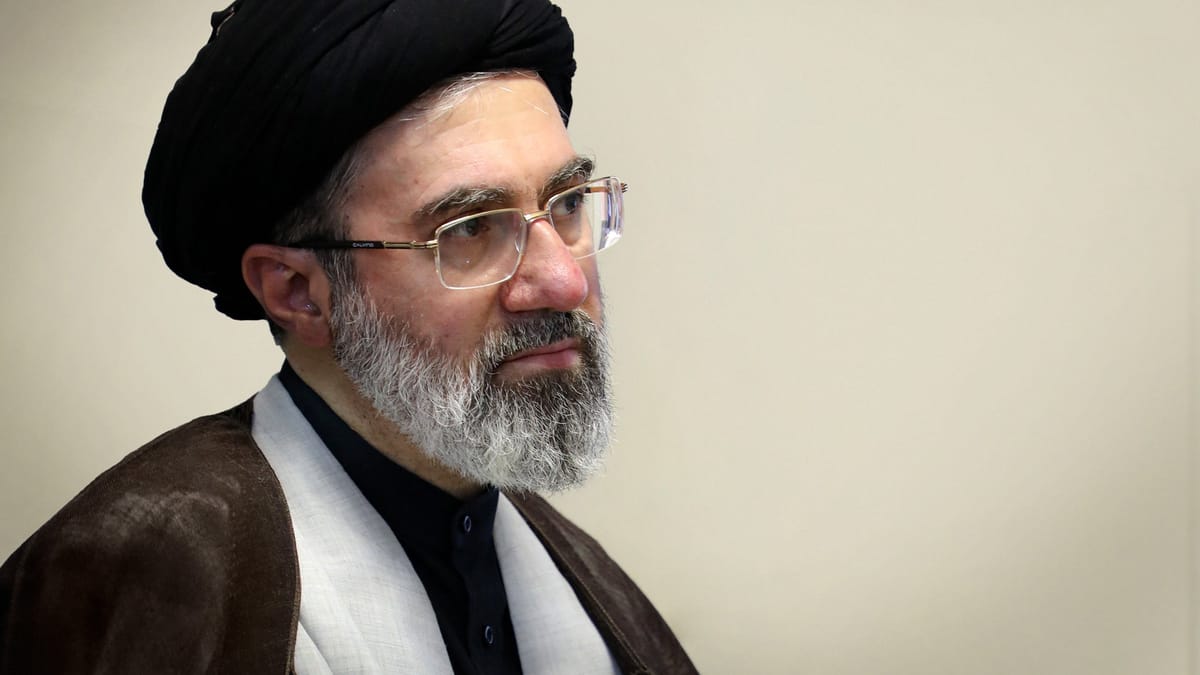
It has been more than seven months since Mojtaba Khamenei was elected Supreme Leader of the Islamic Republic of Iran. In that time, he has yet to make a single public appearance, deliver any recorded addresses, or provide any independently verifiable proof of life.
Despite this extraordinary situation, the Islamic Republic has been surprisingly effective at papering over his absence. Throughout the war and the fragile ceasefire since, the regime has been able to conduct military operations, negotiate with Washington, and largely maintain day-to-day functioning of the state, while being able to assure the country—and wider world—that the Supreme Leader is alive and well.
Increasingly, there are indications that this delicate balancing act is beginning to fall apart. Reports of growing divisions within the regime, alongside officials increasingly skeptical of orders attributed to Mojtaba, suggest that the uncertainty surrounding his condition has started to become a risk for the regime. And while the Islamic Republic has managed to function largely without an active Supreme Leader since March, the mechanisms it has developed to compensate for his absence are showing their limits.
Whether Mojtaba is alive, incapacitated, or dead remains impossible to establish with certainty. What is becoming much clearer, though, is that Tehran cannot continue avoiding that question indefinitely—and the more time that passes, the more dangerous this will become.
A Government, Divided
Since he took office on March 8, there have been no fewer than twenty-five written messages attributed to Mojtaba Khamenei, son and successor of the late Supreme Leader Ali Khamenei, alongside a series of senior military and security appointments and an unknown number of orders passed down through intermediaries. According to a recent report in IranWire, officials within the regime can no longer be sure that orders attributed to Mojtaba were genuinely written by the Supreme Leader. This doubt about the chain of command has reportedly driven those officials towards smaller circles of personal and institutional loyalties.
Perhaps the biggest cause for concern is Hossein Taeb, the newly appointed commander of the paramilitary Basij internal militia, whose expansion of the Janfada mass-mobilization campaign has reportedly alarmed other senior figures within the regime. Taeb claims to be in regular contact with Mojtaba, and insists that the Supreme Leader has authorized his campaign—but according to IranWire, numerous officials dismiss this claim as entirely false, including figures inside the Islamic Revolutionary Guard Corps (IRGC) itself.
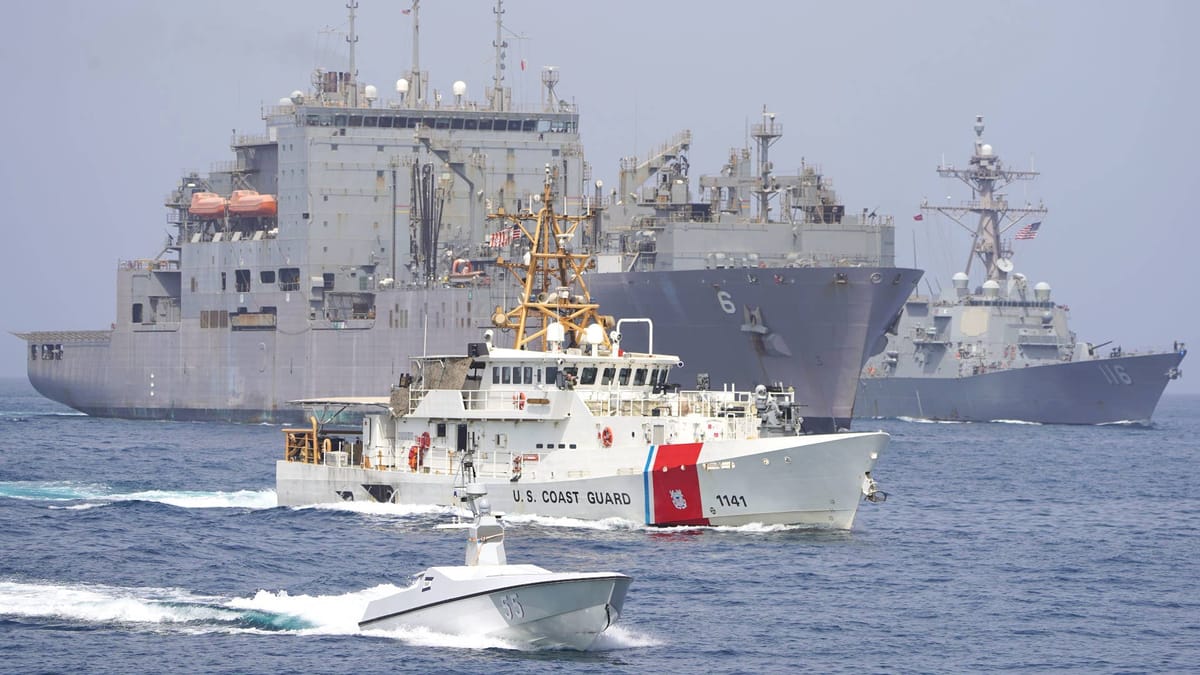
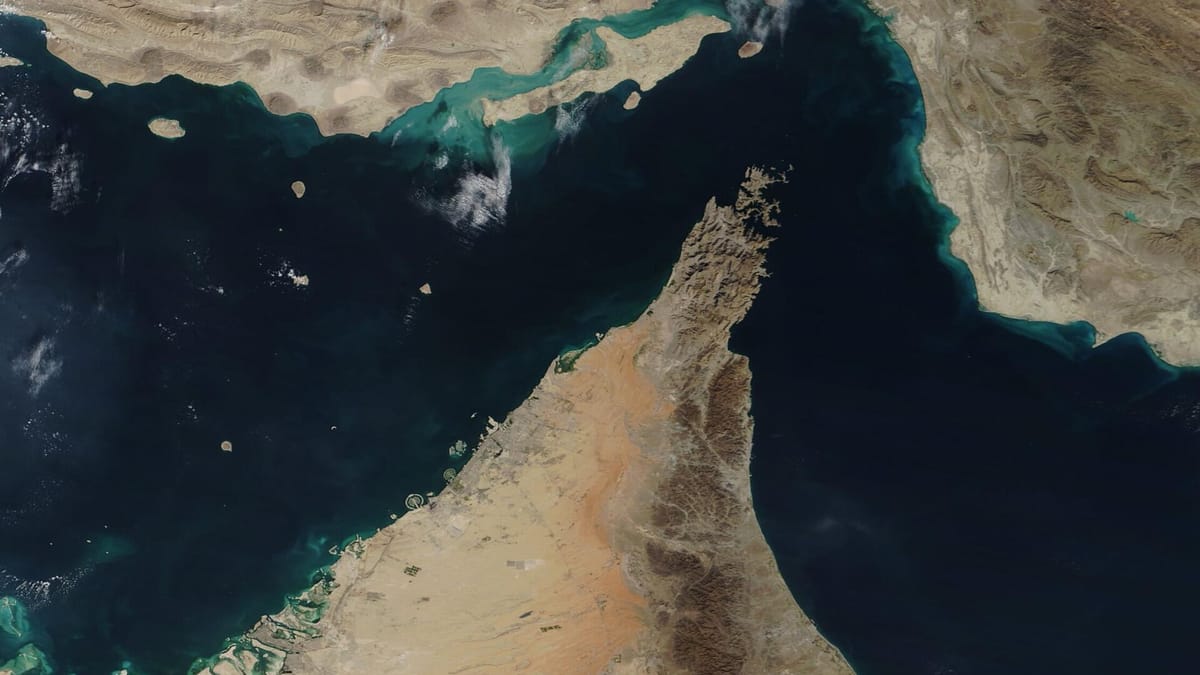
That mistrust has been playing out with real-world implications, beyond a mere disagreement between factions. Back on July 7, Iranian units attacked three commercial vessels in the Strait of Hormuz, effectively bringing an end to the June Memorandum of Understanding with Washington.
According to a September investigation by the New York Times, President Masoud Pezeshkian was furious, and placed a telephone call to IRGC commander Ahmad Vahidi to demand an explanation as to what happened. Vahidi reportedly told Pezeshkian that not only had he not authorized the strikes, but he had no knowledge that they were coming.
There is reason for skepticism as Vahidi’s honesty, particularly because both he, and the IRGC writ large, were opposed to the implementation of the MOU from the outset. Thus, Vahidi had a incentive to cover for the action.
Subsequent investigations reportedly pointed towards Taeb himself, who had been among the most outspoken opponents of the agreement with Washington. Whoever ultimately gave the order, it’s difficult to overstate the fallout: senior officials were engaged in shouting matches, two generals threatened to resign outright, and accusations of treason began to fly between factions.
Regardless of whether Vahidi was telling the truth, the incident exposed just how difficult it had become to maintain a unified chain of command, and why Tehran has increasingly been forced to find alternative means of managing the competing factions.
Governing without a Leader
What has emerged indicates that Iran may be reorienting itself structurally. In an August 5 interview with state television, Masoud Pezeshkian described an arrangement in which Mojtaba would accept policies supported by three quarters of the Supreme National Security Council (SNSC). This is a sharp pivot away from what the Islamic Republic’s constitution, under Article 176, formally lays out: that the council’s decisions are subject to the Supreme Leader’s approval.
Pezeshkian referenced the June memorandum of understanding with Washington as an example, disclosing that twelve of the council’s thirteen members had supported the agreement. While this arrangement ostensibly preserves Mojtaba's constitutional authority, it also places considerably more importance on the council itself—which has become something of a battleground lately.
Loading…
We couldn’t load the rest of this article just now.
Insider article
This article is for Fronts Insiders.
Two-thirds of this analysis is still to come.
Free, no card
Read this free with a Fronts account
Then one Insider article a month. No card, no password.
- Enter your email
- Read on
- Confirm your email later
The robot check is taking too long.
or email support@fronts.co
The form could not start. Reload the page and try again, or email support@fronts.co.
Make a free accountAlready have one? Sign in below.
Fronts Insider
$5 a month · or $50 a year
- Our deep dives and 132 exclusive videos
- All 944 WarFronts, HomeFronts and DefenseFronts videos, sponsor-free
- Every Insider article, including this one
- Cancel anytime. Money back within 30 days.
Already an Insider? Sign in and you'll land back here.
Insider article
This article is for Fronts Insiders.
Two-thirds of this analysis is still to come.
Your free article
Read this one free
You get one Insider article a month. Use it here?
Fronts Insider
$5 a month · or $50 a year
- Our deep dives and 132 exclusive videos
- All 944 WarFronts, HomeFronts and DefenseFronts videos, sponsor-free
- Every Insider article, including this one
- Cancel anytime. Money back within 30 days.
Free to read now
No account needed