Middle EastInsider article10 min read
The Implications of Iran's Uneasy Ceasefire
The recent ceasefire between the US and Iran has left the world stunned, but what does it mean for the Middle East?
Key insights1 of 4 shown
- The US-Iran ceasefire remains dangerously unstable due to conflicting claims over Hezbollah's inclusion and Tehran's continued chokehold on the Strait of Hormuz.
- Locked: for Insiders
- Locked: for Insiders
- Locked: for Insiders
Late on April 7, the US and Iran agreed to a ceasefire, leaving the world stunned. After the heavy bombing campaign against Iran, with Israel and the US conducting tens of thousands of sorties, President Trump had threatened “death to an entire civilization” on his TruthSocial account, only to completely reverse his tone and announce a two week timeout on the war with Iran.
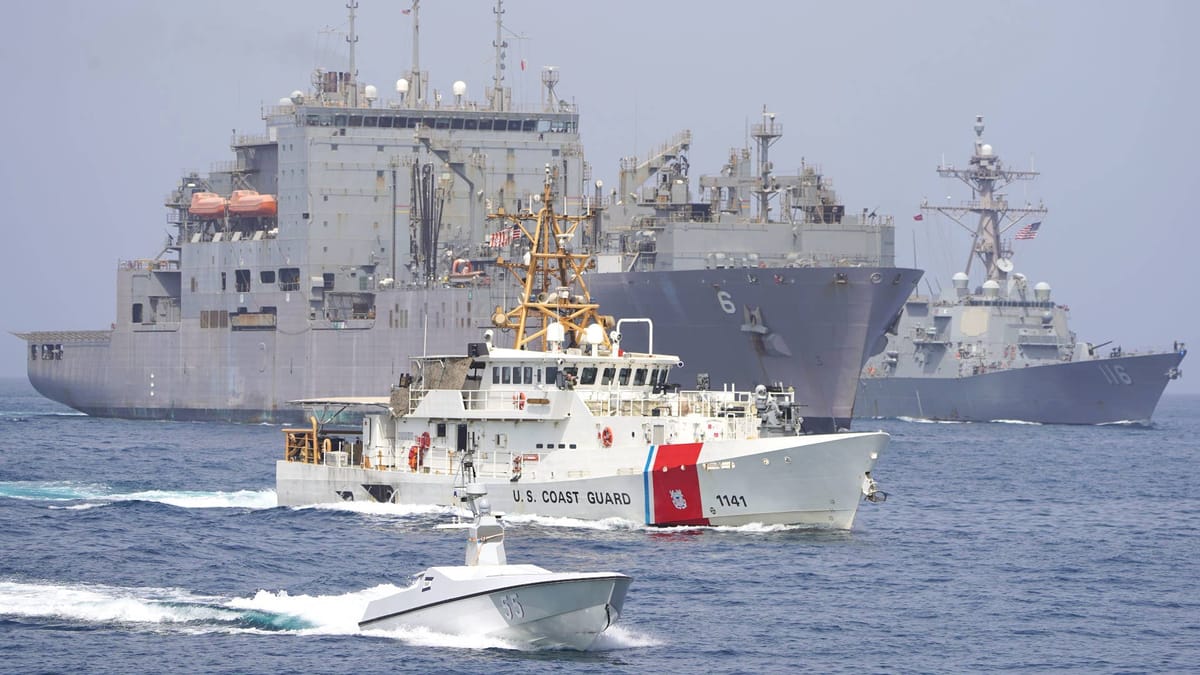
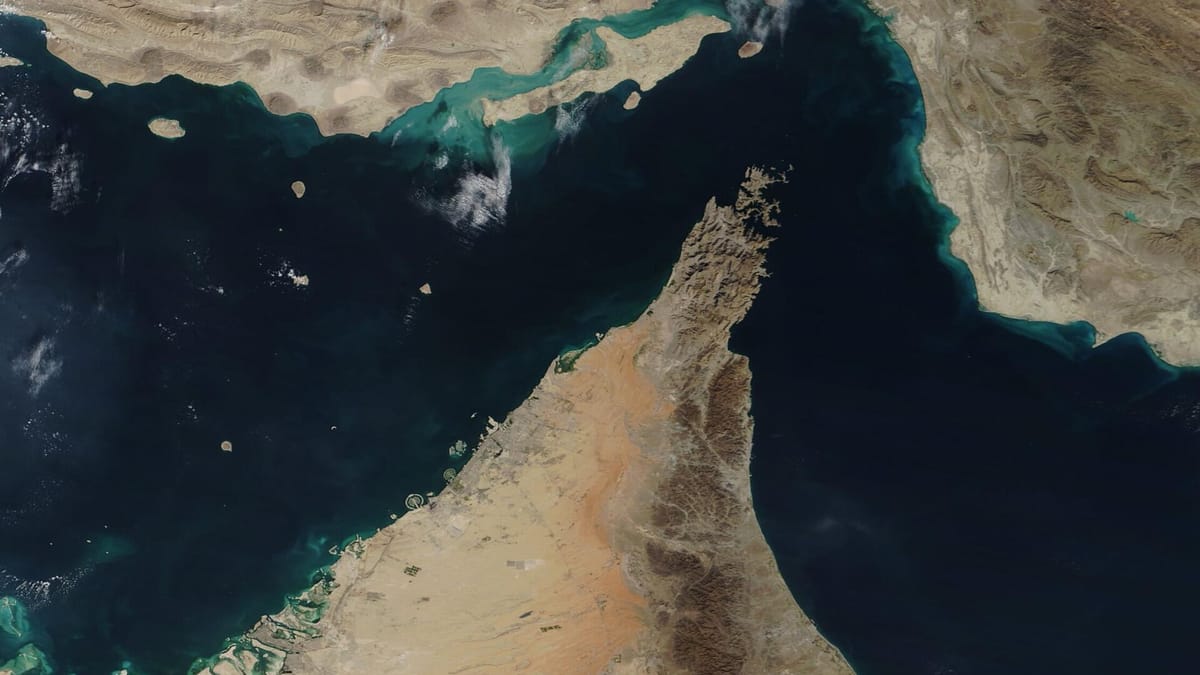
What followed was a mix of confusion and concern over what, exactly, the warring parties had agreed to. Iran, which for weeks now has taken the world hostage by closing the Strait of Hormuz, where major energy supplies from the Arab State are shipped through, remains firmly in control of the waterway, dictating which ships can pass through and which cannot. The heavy campaign to obliterate its arsenal of drones and missiles, has meanwhile barely been able to reduce stockpiles to two thirds of their pre-war capacity…and even that may be a hopeful estimate, because experts are not convinced on the exact numbers Iran may possess.
Not for the first time, then, an agreement struck by Trump with another state seems to be surrounded by confusion and crossed wires, with both Iran and Israel claiming different things were included in the deal, with many of the most contentious points swirling around areas that were peripheral to the main fighting.
The war, after all, was conducted not only in the waters of the Persian Gulf, and the territory of Israel and Iran, but also beyond, where the main external armed wings or allies of Tehran are ruling parts of neighboring countries. Those are mainly Hezbollah in Lebanon; proxies in Iraq established during the American invasion in 2003 and the war on ISIS in 2014; and above all Yemen, with the Houthis remaining the main obstacle for the safe passage in the Gulf of Aden.
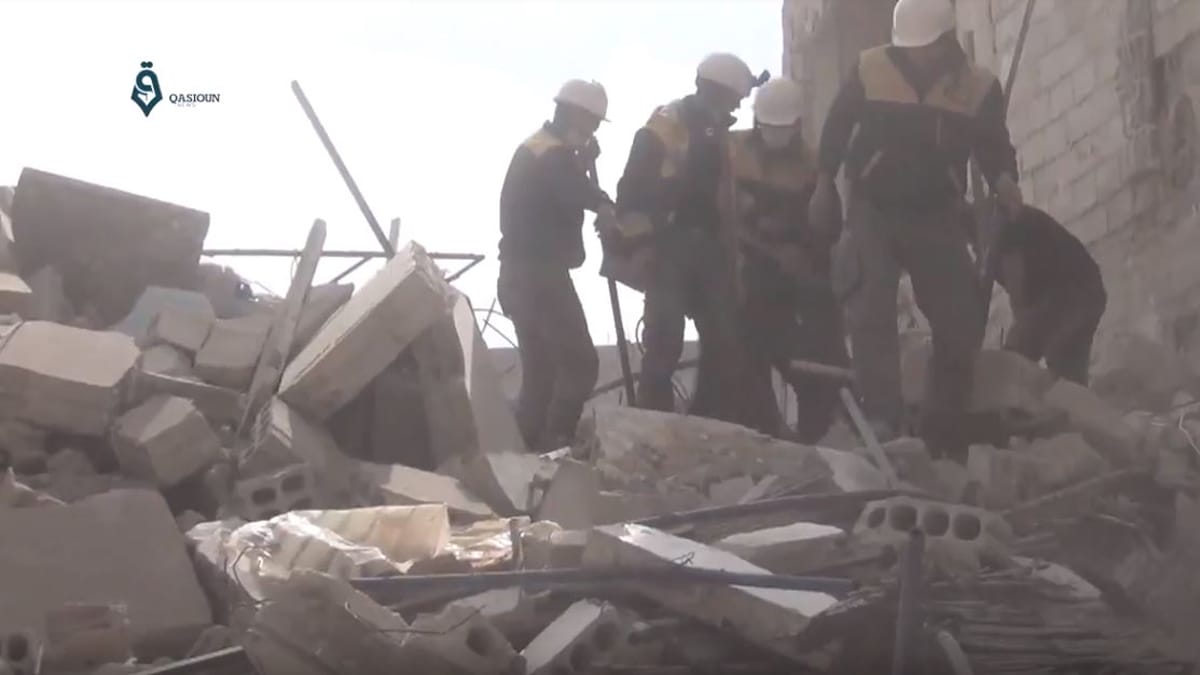
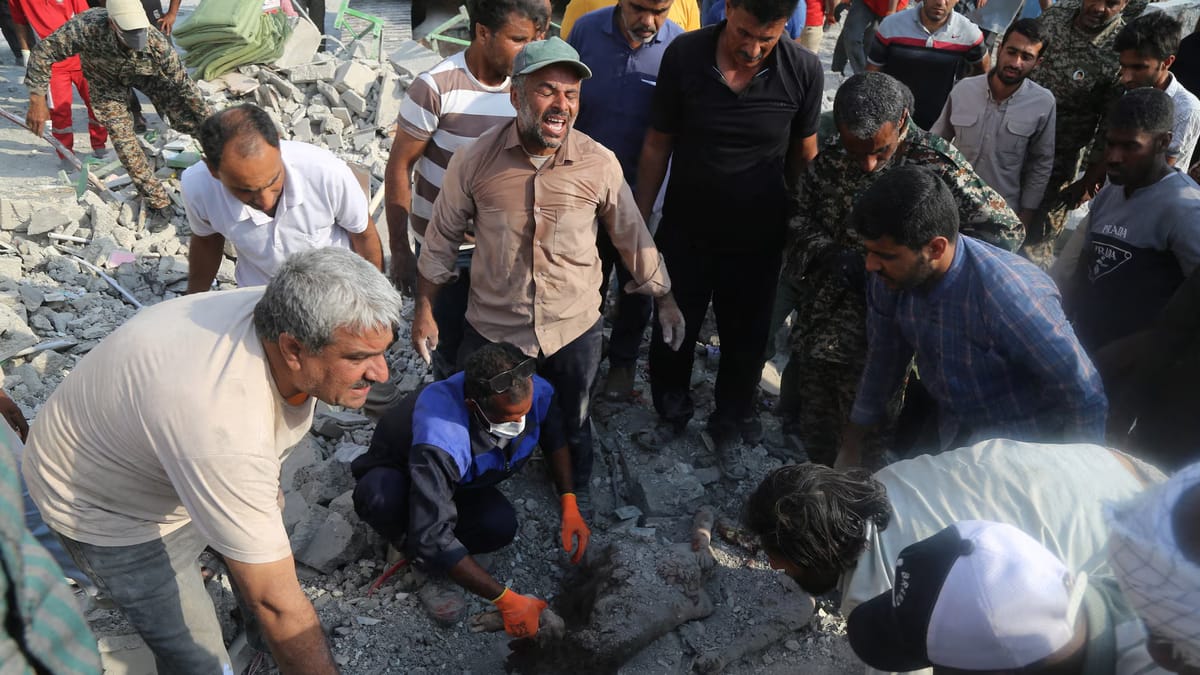
The main disagreement, though, continuing throughout the 1st day of the ceasefire, remains the status of Lebanon. Iran is adamant in claiming that its main proxy, Hezbollah, is also a party to the ceasefire. Israel, however, denies that inclusion, with its armed forces conducting the single biggest airstrikes campaign over Lebanon the same day. Strikes were aimed at “100+ Hezbollah headquarters, military arrays, & command-and-control”, killing over 200 and wounding thousands. For its part Iran has bombed the Gulf states again, though it’s not clear if its violations are a matter of command-and-control and its famous “mosaic defense” not being updated on time that ceasefire is taking place.
Later during the day, Iran released a statement, in which it affirms its right to respond to what it considers a violation of the ceasefire agreement, with Lebanon the do or die issue - either the US complies or the deal is no longer valid. With Trump and his administration saying what happens in Lebanon is not a subject of discussion, the potential to derail talks is very high. Trump’s envoys, Steve Witkoff and his son-in-law Jared Kushner are heading to Pakistan, with vice president JD Vance joining them to meet the Iranian delegation. The talks on Friday in Islamabad will be the key to the future of this war…if this meeting even takes place at all amid these tensions.
The multiple problems with the ceasefire have laid bare issues ongoing ever since the war was initiated in late February. The Iranian regime hasn’t changed - it’s still a hybrid of religious and military figures, that even if decimated, continues the legacy of its now fallen leader Ali Khamenei, with his son Mojtaba Khamenei announced as the new Ayatollah, a supreme figure for the Shia part of Islam.
Regime notables and feared Basij units, the paramilitary militia of supporters and regime volunteers responsible for the mass killing of Iranians in January, when tens of thousands were likely slaughtered, continue to terrorize Iran’s population. The January protests, bloodily suppressed by the regime, were in part caused by Trump’s promise that the American support would come. It didn’t, and if left in charge, the same murderers will continue to oppress the Iranian population, with the regime now even more paranoid than ever before.
Loading…
We couldn’t load the rest of this article just now.
Insider article
This article is for Fronts Insiders.
Two-thirds of this analysis is still to come, plus 3 more key insights.
Free, no card
Read this free with a Fronts account
Then one Insider article a month. No card, no password.
- Enter your email
- Read on
- Confirm your email later
The robot check is taking too long.
or email support@fronts.co
The form could not start. Reload the page and try again, or email support@fronts.co.
Make a free accountAlready have one? Sign in below.
Fronts Insider
$5 a month · or $50 a year
- Every Insider article
- 130 exclusive videos
- All 938 WarFronts and HomeFronts videos, sponsor-free
- Cancel anytime. Money back within 30 days.
Already an Insider? Sign in and you'll land back here.
Insider article
This article is for Fronts Insiders.
Two-thirds of this analysis is still to come, plus 3 more key insights.
Your free article
Read this one free
You get one Insider article a month. Use it here?
Fronts Insider
$5 a month · or $50 a year
- Every Insider article
- 130 exclusive videos
- All 938 WarFronts and HomeFronts videos, sponsor-free
- Cancel anytime. Money back within 30 days.
Free to read now
No account needed