
WarFronts Weekly: 8.25.2026.
🟨 WarFronts Weekly | Israel-Turkey Dust-Up Continues & More
Evan Moloney • August 25, 2026

“Erdoğan was caught with his hand in the cookie jar and was forced to retreat.”
-Israeli Defense Minister Israel Katz, attempting to justify Israel’s August 18 strike on a Syrian airbase.
Israel-Turkey Dust-Up Continues:
One week after Israel’s surprise wave of airstrikes against Syria’s Abu al-Duhur military base, where a Turkish delegation had evaluated base-rehabilitation work just hours before Israel launched its attack, the bombing has formed the basis of a much larger confrontation between the two rivals. With both nations’ heads-of-state likely to use the showdown as a political tool ahead of elections, the argument may be remembered as the start of a decades-long regional rivalry.
For months, our WarFronts team has been working to raise attention on the growing Israel-Turkey divide, as the Middle East pivots toward a new round of geo-strategic confrontation. Under leaders Benjamin Netanyahu and Recep Tayyip Erdoğan respectively, Israel and Turkey have gathered allies, laid the foundation for proxy conflicts, and prepared for a contest that is likely to ramp up in intensity, after the conclusion of US operations in Iran.
Israel’s strikes last week, however, appear to have accelerated both sides’ respective timelines. The targeted airbase has been undergoing reconstruction for months, ahead of the possible deployment of Turkish troops, with Syrian approval. Turkey is a close ally of the Syrian transitional government, and has supported interim leader Ahmed al-Sharaa since well before the collapse of the Assad-era dictatorship.
Turkey denied stationing troops at the base, as of the time that it was attacked, and claims that its presence in Syria is intended “to protect Syria’s sovereignty and territorial integrity, and help it establish a stable and secure environment”. Turkish pressure on Syria’s leadership has led to the dismantling of the Kurdish-led autonomous government in Syria’s northeast.
Ankara claims, however, that its ambitions are modest—including in regard to the base Israel attacked. As Syrian Foreign Minister Asaad al-Shaibani explained to Axios: “There was to establish a Turkish base there, nor to establish a permanent Turkish military presence or deploy Turkish forces at the site". According to al-Shaibani, the base was to be used to facilitate Syrian Air Force operations.
Israel, however, has framed Turkey’s presence in Syria as overtly expansionist and anti-Semitic. In a public statement, Netanyahu described Turkey’s leader as an “antisemitic dictator who has massacred Kurds, harbors Hamas terrorists, occupies half of Cyprus and jails record numbers of journalists and politicians who oppose him”. Israel occupies a “security zone” in southern Syria, which it claimed unilaterally during the collapse of the Assad regime.
Both Ankara and Jerusalem have demonstrated their commitment to the fight, with Israel launching another airstrike on Syrian territory on Saturday—this time, claiming to kill a terrorist in a drone strike outside of Damascus. By then, however, Turkey had already requested an Interpol ‘red notice’, a request to global authorities to locate and apprehend Netanyahu, due to an ongoing Turkish investigation into whether Netanyahu’s troops tortured activists on an aid flotilla that travelled toward Gaza in May.
Both Netanyahu and Erdoğan appear to be motivated, at least in part, by the prospect of difficult upcoming elections, where they appear to believe that they can each drum up public support, by emphasizing the threat posed by the other. US Envoy Tom Barrack endorsed the idea that Netanyahu was “baiting the Turks” in a “pre-election concept”; Erdoğan’s elections will come later, but must be held no later than May 2028, and are likely to be called earlier, if Erdogan can create a relatively favorable political climate at home.
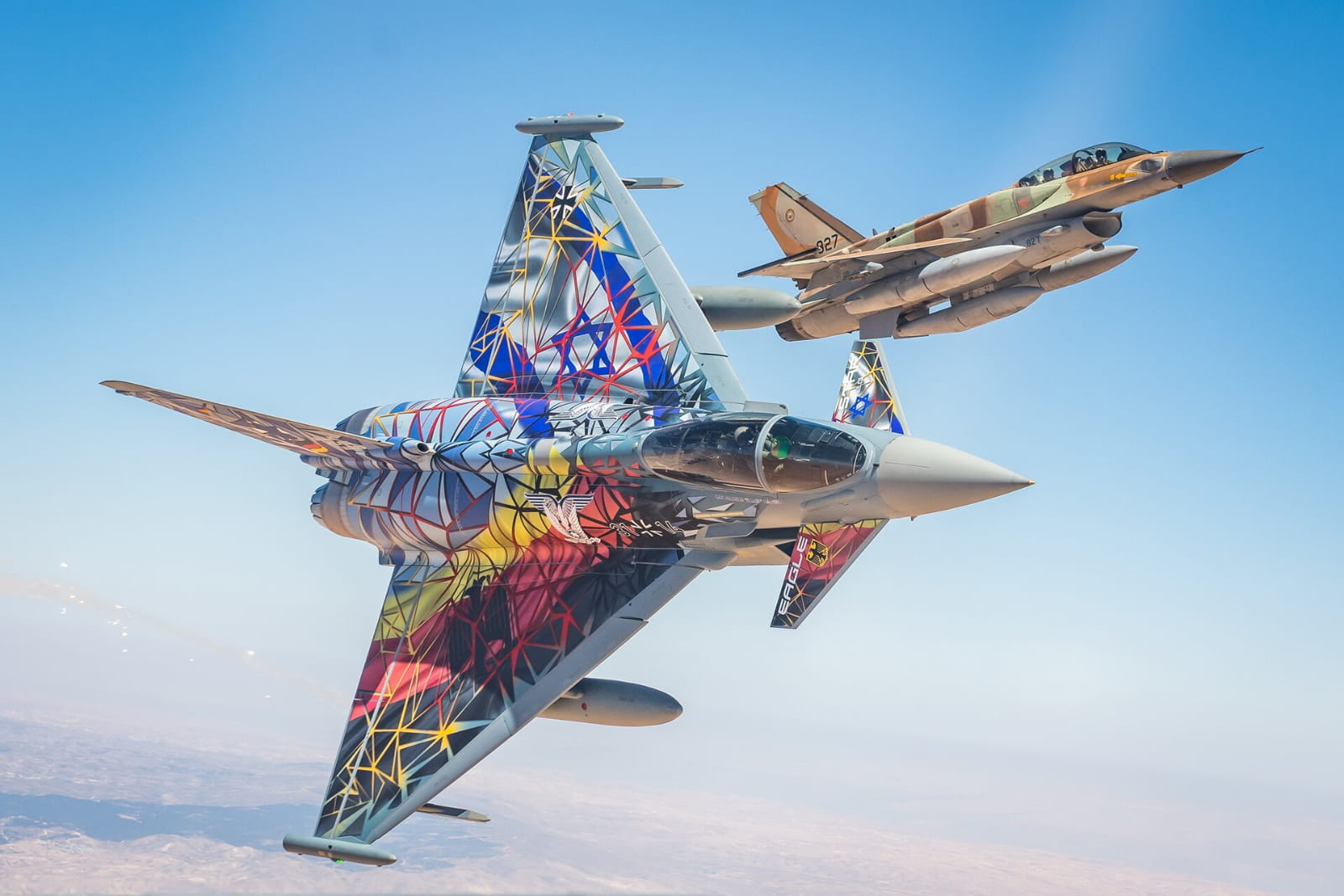
Image Credit: “Israel 75 th Independence Day – Israeli Air Force Fly By LXXV” by Amit Agronov / IDF Spokesperson’s Unit is licensed underCC BY-SA 3.0.
This Week on Fronts:
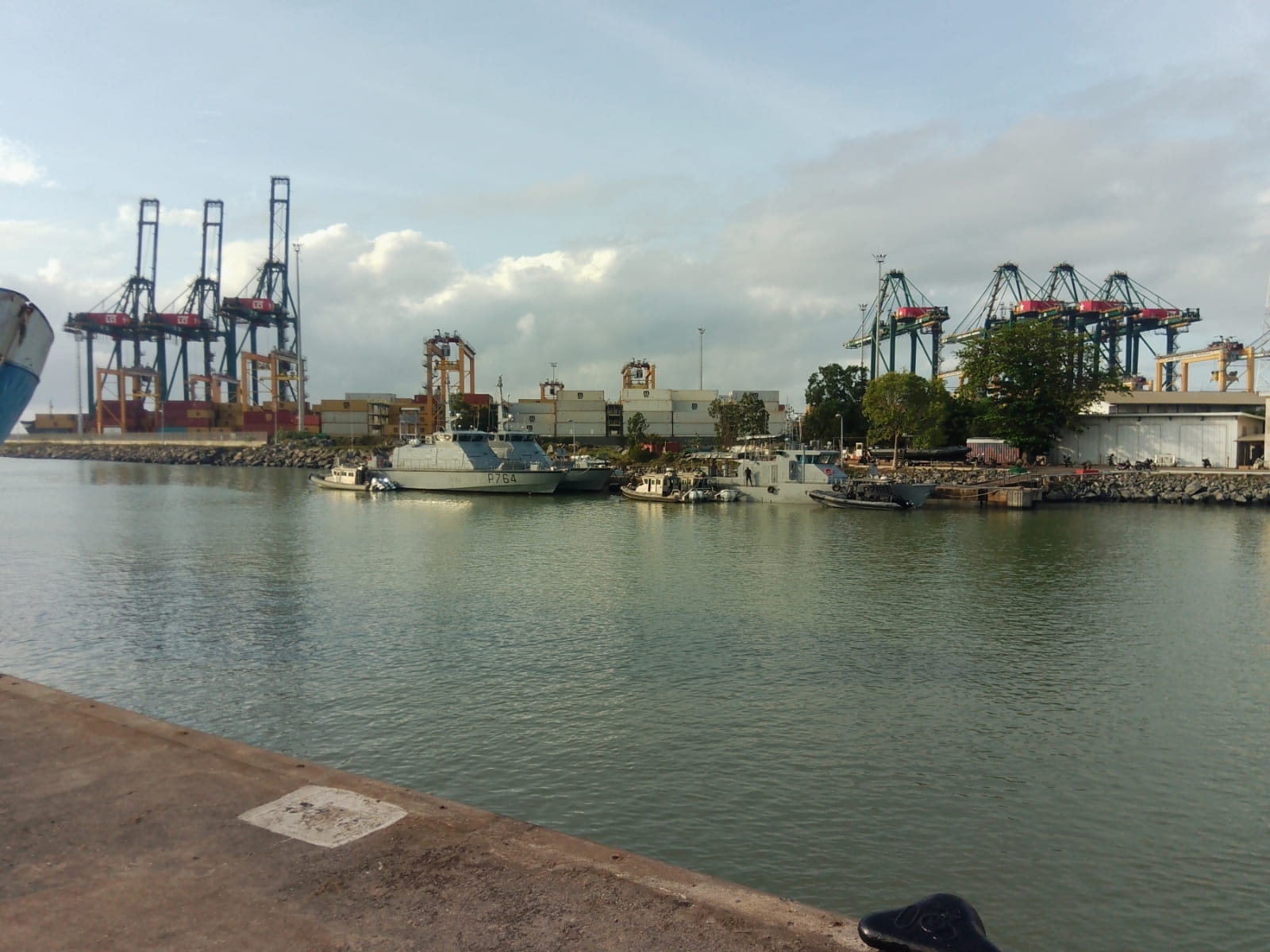
Despite Russia’s ongoing focus on its war in Ukraine, Moscow appears intent on continuing its parallel operations in Africa, where its paramilitary Africa Corps operate alongside a range of African governments to secure resources, battle insurgents, and protect the regimes with which they enjoy lucrative contracts.
This week, open-source analyst Casus Belli took a close look at the Africa Corps, and Russia’s intense interest in keeping the group operational despite the associated costs. As the repercussions of the Ukraine invasion continue to mount, Russia’s commitment to the Africa Corps underscores the likely reality that Moscow sees the group as a lifeline, both diplomatically, and for its defense-industrial complex.
Since the article’s publication, however, Russia’s devotion to its Africa Corps mission has only become clearer. On Saturday, two Africa Corps members were ransomed from the captivity of Mali’s ethnic Tuareg separatist movement, the FLA. While the ransom amount has not been formally announced, various regional sources place the sum anywhere from $5 million to $45 million USD. Such exorbitant sums, paid to avoid humiliation and recover personnel who would easily be sent to a meat-grinder assault in Ukraine, signal that Russia sees Africa as a critical part of its present and future.
Peace Monitors Arrive to Congo War Zone:
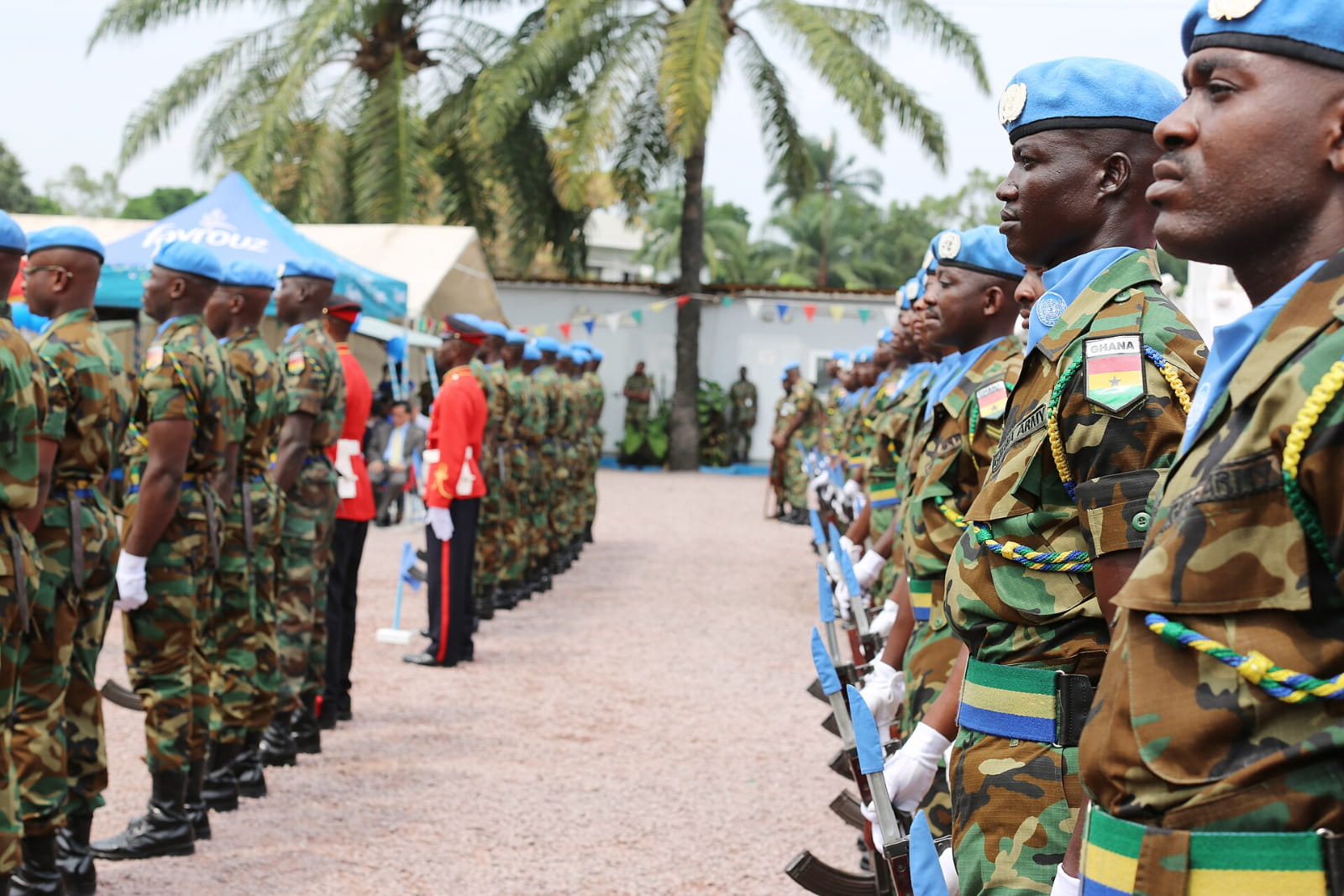
On Monday, the Democratic Republic of the Congo welcomed the arrival of a new peacekeeping mission in the war-torn Congolese east, after a November 2025 peace deal that ostensibly put an end to hostilities between the Congo, the rebel group M23, and M23’s foreign sponsor, Rwanda.
The new peacekeeping force has deployed into the town of Minembwe in South Kivu Province, one of two provinces that have been partially taken over by M23 and its Rwandan backers. A strategically important location, Minembwe is located near the city of Uvira, which has been the site of intense fighting in South Kivu over the last year. Minembwe is a frontier town at this stage in the conflict, and was the target of airstrikes and ground battles within the last few months.
The peacekeepers’ arrival comes as the two sides of the Congo conflict have managed to make progress in negotiations, according to inside sources familiar with the Qatar-mediated diplomatic effort between the two. During a meeting in Switzerland last week, M23 and the Congolese government agreed to a new roadmap in negotiations, which are ongoing parallel to a US-mediated effort between the Congo and Rwanda.
But as these peacekeepers arrive to Minembwe, they enter a conflict zone that is still very active—even in areas close to the site of their deployment. On Monday, the same day they arrived, M23 accused the Congolese government of shelling a nearby village and causing civilian casualties. Congo authorities declined to comment on the incident.
According to M23, the government had also carried out kamikaze drone attacks across the surrounding area, several days earlier. Kinshasa, meanwhile, accused M23 of killing over three hundred people in June and July, amidst “serious human rights violations”.
Elsewhere, M23 remains engaged in battles with the Congo or with Congo-aligned militias in several front-line areas, across both North and South Kivu Provinces. That fighting has not stopped as a result of the ongoing Ebola virus outbreak in the Congo; instead, M23 has used the crisis as an opportunity to demonstrate its ability to govern. We will cover M23’s Ebola response on Fronts.co later today, in an exclusive episode for subscribers.
With the ongoing conflict in mind, the Congo-M23 peace roadmap—and a joint pledge to pursue “comprehensive peace and conflict resolution”—instead appear to be more of the same: an ongoing effort to paper over the conflict, even as it continues, to ensure that Congo-backed and Rwanda-backed forces can battle over the Kivu region’s mineral wealth in relative privacy.
Image Credit: “Celebration of the International Peacekeeping Day at Ghanbatt” by MONUSCO Photos is licensed underCC BY-SA 2.0.
What We're Reading:
Each week, our Fronts team relies on a wide array of independent expert commentary and dedicated, conflict-focused or regional monitors, to provide the data we use to craft our video episodes, articles, and podcasts. Those sources clue us in on developing stories, provide key perspectives and insights, and give us a closer look at a wide range of issues at once.
For affairs in the Western Hemisphere, our team strongly recommends the Latin America Daily Briefing, a daily dispatch that covers nation-by-nation and regional coverage of political, security, economic, environmental, and other stories across the region. The Latin America Daily Briefing is run by Jordana Timerman, with the help of Arianna Kohan, Jordi Amaral, and E. Eduardo Romero; you can read and subscribe to their work, here.
Our WarFronts/HomeFronts Team is proud to announce the launch of Fronts.co, our brand-new subscriber service.
Around the World:
On the front lines in Ukraine, Russia has intensified its attacks against Kostyantynivka, the embattled city at the southern end of the Ukrainian fortress belt in Donetsk Oblast. Despite movement in other parts of the front line, Russia appears to have fully committed to a primary thrust against Kostyantynivka for at least the next several weeks, deepening fears that the city’s fall may be inevitable. Further north, Russia appears to be working to bridge the Siverskyi Donets River and conduct other staging assaults that will set the conditions for an attack on the fortress belt’s most important city, Slovyansk. At long range, meanwhile, Ukraine claimed attacks against an oil refinery in Russia’s Samara region and another in Krasnodar, although Russian authorities claimed that Ukrainian strikes resulted in the deaths of several children in multiple locations. Russia launched a double-tap strike against a shopping center in central Ukraine, killing at least sixteen and injuring over 130, while Ukraine indicated that it destroyed an Su-33 and a MiG-29 fighter jet, an S-400 missile defense system, and other key targets in its weekend strikes against Russia.
Also in the Russia-Ukraine war, Kyiv appears to have partially moved on from its long-range focus on Russia’s Wildberries e-commerce distributor, and switched to another, similar target, Ozon. Russia’s second-largest online retailer, Ozon has suffered six attacks on its facilities since the start of the weekend, including four on Sunday night and Monday morning. Like its Wildberries strikes, Ukraine’s Ozon attacks appear to be focused on raising the costs of war for ordinary Russian citizens, fomenting discontent ahead of an anticipated Russian mass mobilization in the coming months.
A gang raid in a suburb outside Haiti’s capital left at least forty-seven people dead overnight into Monday, with twenty-two others wounded. The raid targeted the neighborhood of Kenscoff, a strategic overlook that provides a direct line of sight into key parts of Port-au-Prince where Haiti’s interim government and several foreign embassies are based. The attack included the burning of a key health expert’s home, in yet another message to the Haitian government about the reach and aggression of the country’s gangs.
The Islamic State – Sahel is suspected of launching an ambush against a military camp in Niger over the weekend, southeast of the capital city of Niamey, that left approximately twenty soldiers dead and resulted in the destruction of the camp in question. The Islamic State has consistently grown its presence and intensified its operations across Niger, as the Sahel’s other asymmetric jihadist insurgency, JNIM, doubles down on its operations against Mali. While the two groups occasionally battle each other, especially in Burkina Faso, their recent respective attack profiles would indicate that each group may intend to focus on the nation where it can operate with the greatest impunity.
A video posted to global social media appeared to depict the kidnapping of approximately six hundred women, children, and elderly people from Nigeria’s north-central Niger State, where gunmen stormed a mosque on Friday in a confrontation that resulted in no fatalities. The kidnappers are believed to be from one of Nigeria’s many organized bandit groups, who frequently take civilians hostage in village raids to hold for ransom.
An ambush in South Sudan on Monday left at least two United Nations peacekeepers dead, along with three other peacekeepers, two police officers, and two civilian aid workers injured. The attack took place in Jonglei State, where anti-government factions are increasingly engaged in skirmishes against government and government-aligned forces.
Yemen’s Houthi rebels hit a trade vessel off the coast of the Saudi city of Yanbu, a key export terminal, in a long-range strike on Monday. While the strike resulted in no injuries to personnel aboard the vessel, it is the latest confirmation that the Houthis’ expanded range of their missiles and drones will allow the group to sow chaos across the critical Red Sea region. Yanbu is Saudi Arabia’s largest oil export facility on the Red Sea coast, and the terminus of its East-West Pipeline, which allows oil to flow out of Saudi Arabia while circumventing the Strait of Hormuz. Also in Yemen, Houthi commander Sajjad Mutahar was killed in an attack by Yemeni government forces last week, as Saudi-backed troops step up their counteroffensive against the Houthi movement.